We Watched 26 Films from Sundance 2026. Here Are Our 6 Favorites.
David Chen and Stephen David Miller share some highlights from the online portion of the Sundance Film Festival


Hey folks: David Chen here. I was so grateful to be able to experience some version of Sundance from afar this year as it wraps up its legendary stint in Park City. While many of the festival's films were exclusive to in-person screenings, their streaming portion was robust and gave me a small taste of what it was like to make the trek down to Utah, i.e. constantly and ravenously consuming as many films as possible as my mind melted into oblivion well into the night. For cinephiles, it's a delight to be able to watch these films for the first time with the rest of the world and I hope when the festival transitions to Colorado, they keep this part of the festival going strong.
Matt Goldberg did a wonderful job reviewing some of the festival's highlights (here and here). To wrap up our coverage, I've invited frequent Decoding Everything contributor Stephen David Miller to join me as we count down our favorite films from the festival. Stephen and I watched a combined 26 unique films (I took in 18, personally) and we've whittled them down to the six films that we considered the most impactful and well-executed. Also, if you want to follow us on Letterboxd to see what we thought of everything else, you can do so for Matt, Stephen, and me.
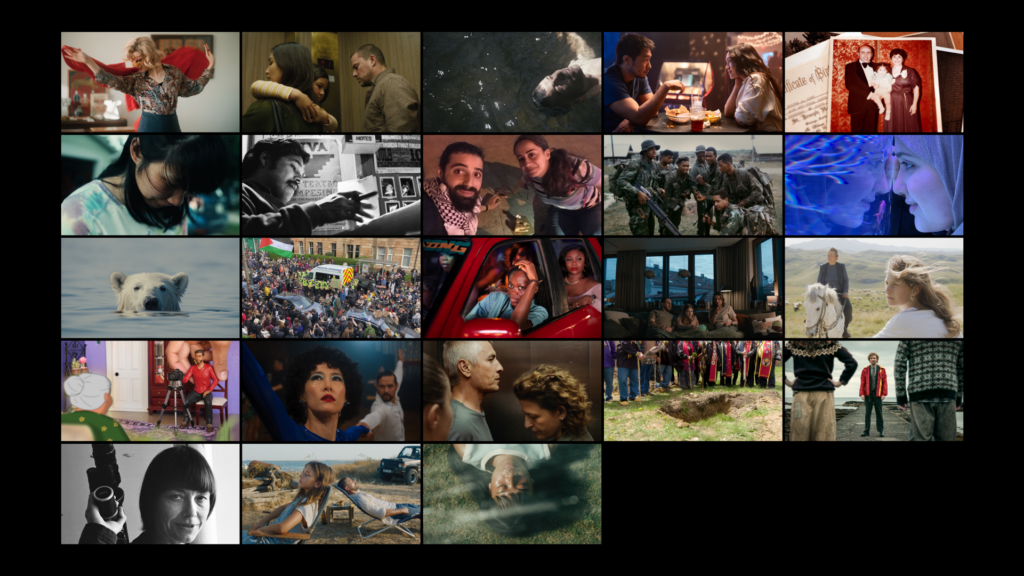
These are some of the movies from Sundance 2026 that you'll probably be hearing about for the next year or two:
One In A Million (dir. Itab Azzam and Jack MacInnes)
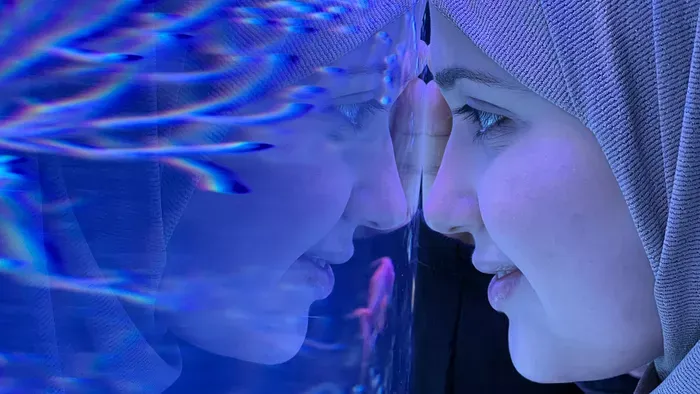
“War is not the hardest thing a person can go through. It’s not as hard as what comes after.”
These are the words spoken by Isra'a, the subject of One in a Million, as she returns to her home in the war-torn, liberated streets of Syria at the beginning of the film. The quote raises many questions that the film spends its runtime answering: Why did Isra'a leave her home? What did she endure? And how has it changed her?
One in a Million then jumps back in time by a decade and we meet Isra'a again as a 10-year-old. It's 2015, and Isra'a's family is in the process of fleeing Syria. They're about to make the dangerous journey to Germany, where they hope a better life awaits them. The filmmakers follow Isra and her family as they make the arduous trek. But when they arrive, a new set of challenges awaits them.
Filmed over the course of a decade, One in a Million is an incredible document of the life of a refugee. We get to watch Isra'a grow up before our eyes and see her adapt to life in Europe. We also witness, through her struggles with her family, the palpable conflict between following the traditions of one's homeland and trying to assimilate into a new place. Isra'a's transformation invites us to reflect on the question that many people have asked at one point or another: What really makes a place home? —DC
BURN (dir. Makoto Nagahisa)

Multiple films this year centered around the abuse or commodification of women. They spoke to a feeling of powerlessness, and a conviction to balance the scales. The Huntress, Josephine, and LADY all approach this in radically different ways, and all are worthy of your time. But none left a mark on me quite like BURN.
Let me say up front that BURN will not be for everyone. Makoto Nagahisa’s portrait of youth and resilience is less a drama about coming of age than it is an anthem for coming into rage—a scrappy, punk rock, pink-and-glitter infused inferno. The film follows Ju-Ju (Nani Mori), a teenage girl who flees her abusive, religious household and winds up in the red light district of Shinjuku. She finds a new chosen family there, a band of runaways, hustlers, and outcasts doing what they can to survive on the streets. What ensues could be described as an intensely troubling mashup of Oliver Twist, Lord of the Flies, and Scott Pilgrim vs. the World. It’s a pitch-black fairytale about heavy social issues which flows like a quirky, upbeat playlist.
That combination may sound nihilistic or ironic, but to my mind, nothing could be further from the truth. I see BURN as a deeply sincere movie about surviving in a nihilistic world, and the sparks young people make as they attempt to square that circle. It’s a messy, memorable, and fierce call to preserve whatever fire you have inside. Even if it’s chaotic or destructive, it’s yours. —SDM
The Incomer (dir. Louis Paxton)
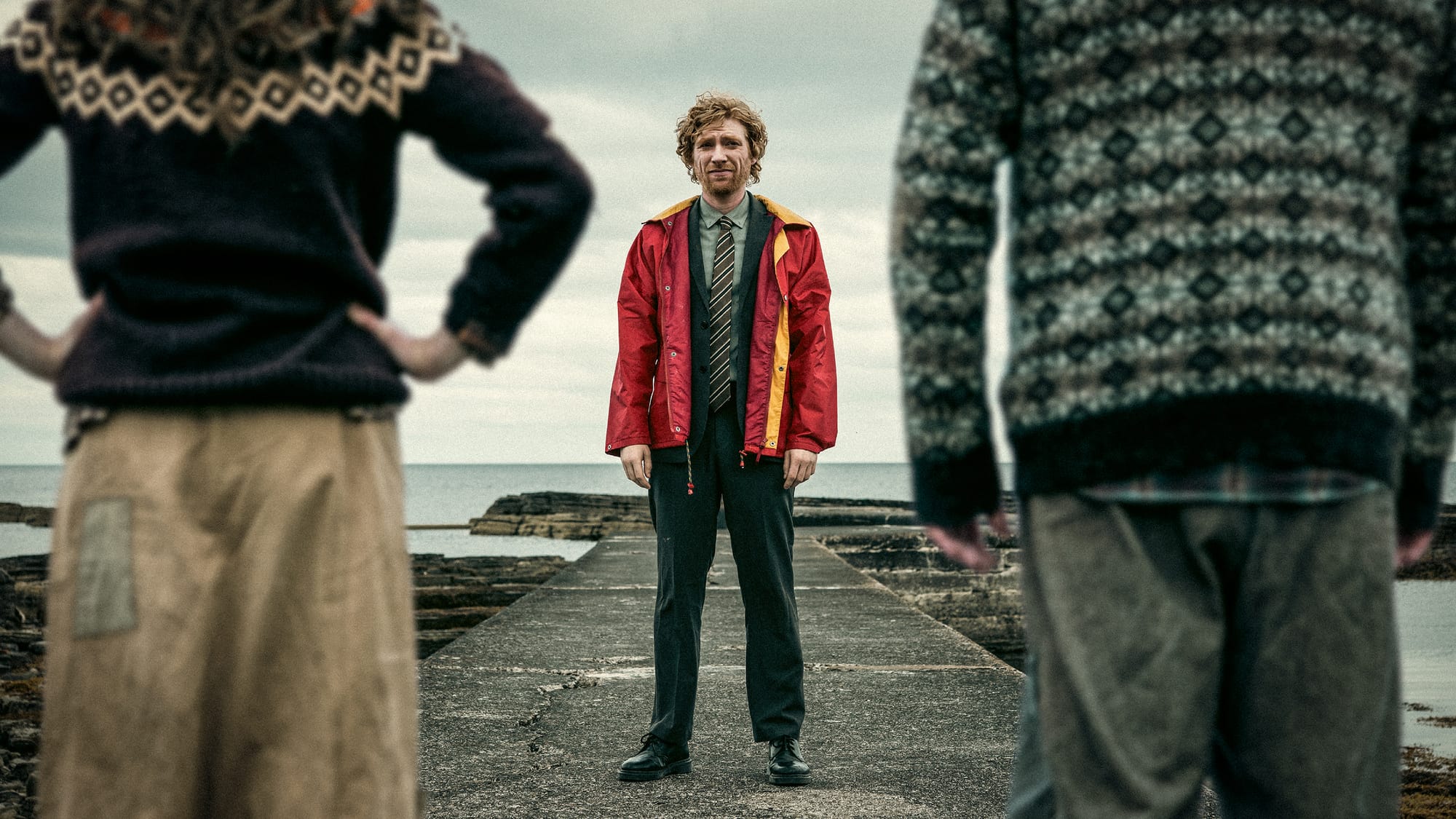
The setup of The Incomer is irresistible: Isla (Gayle Rankin) and her brother Sandy (Grant O'Rourke) have been living alone on a remote Scottish island for decades, where they commune with birds and follow the will of their parents to repel any "incomers" that would threaten their way of life. When Daniel (Domhnall Gleeson), a hapless land management official, shows up to relocate them to the mainland, hijinks ensue.
The Incomer is the only movie I watched at Sundance this year that left me cackling. Louis Paxton's debut feature is hilarious and full of heart. Gleeson is characteristically great playing someone who's in way over his head, but it's Rankin's portrayal of Isla that really makes the film shine. Isla is the wiser of the two siblings and she's also the one who has more to lose if they leave the island. The Incomer will make you laugh but also capture your heart with its poignant exploration of what it means to let go. —DC
Carousel (dir. Rachel Lambert)
A few Sundances ago, Rachel Lambert made a splash with Sometimes I Think About Dying. The film was a tender comedy about a deeply anxious woman trying to negotiate a fledgling office romance. Despite her quirks, we rooted for the protagonist to come out of her shell and give voice to the love she’d bottled inside. I was so charmed by it, it made my Best Of 2024 list.
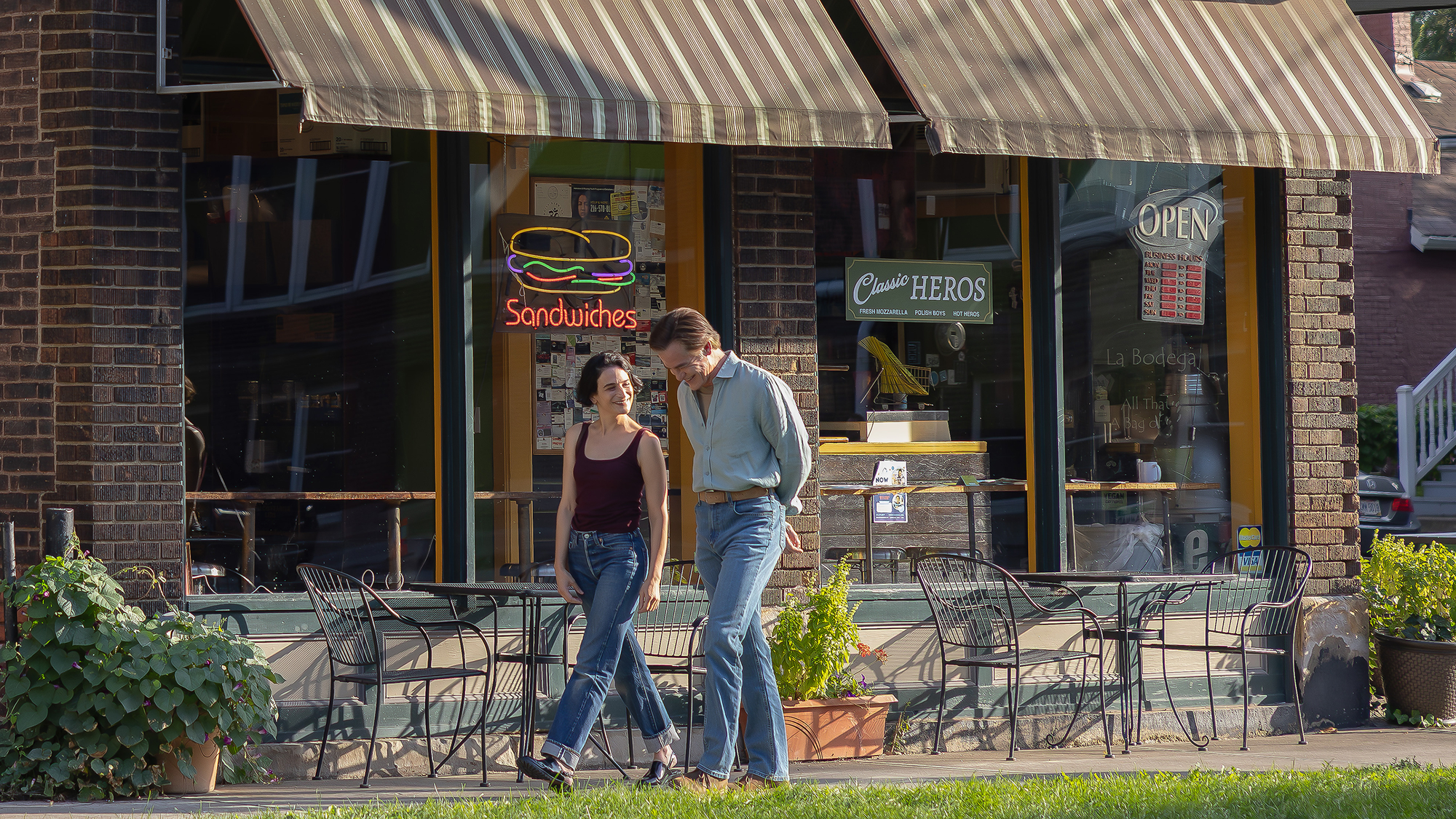
The characters in Carousel also need to come out of their shells, but this time it isn’t just love that they’re guarding. By any measure, Noah (Chris Pine) appears to be an outgoing, friendly guy. As a family doctor, he’s a soothing, steady presence. As a father, he’s attentive and supportive. Though his recent divorce has been hard on his teenage daughter Maya (Abby Ryder Fortson), he’s committed to helping her navigate it. When an old flame (Jenny Slate) comes back to town and begins coaching Maya’s debate team, we assume we know where the story is headed. Tentative attraction. Wounded hearts, cautiously drawn towards each other, debating whether or not to open themselves up to rejection. The perfect formula for a Sundance crowdpleaser.
But Carousel is interested in other, more buried emotions. This is a film about the subtle textures of anxiety, and it moves to a subterranean rhythm. Eschewing traditional romcom conventions, Lambert mutes the charm and dials up sensations that are coursing underneath. Repressed frustration. Fear that masks as levelheadedness. The desire to control something, anything, desperate for an outlet. Rather than root for a tidy romance, we wind up rooting for the mess to break containment—a prerequisite for a deeper, but less cinematic sort of love.
Carousel wasn’t a hit with festival-goers, and it has yet to nab a distributor. Which is a shame, because I found it to be moving, honest, and acutely well-observed. There’s one extended argument in particular that will stick with me all year. It takes some digging, but there’s a real heartbeat to be found here. —SDM
Take Me Home (dir. Liz Sargent)
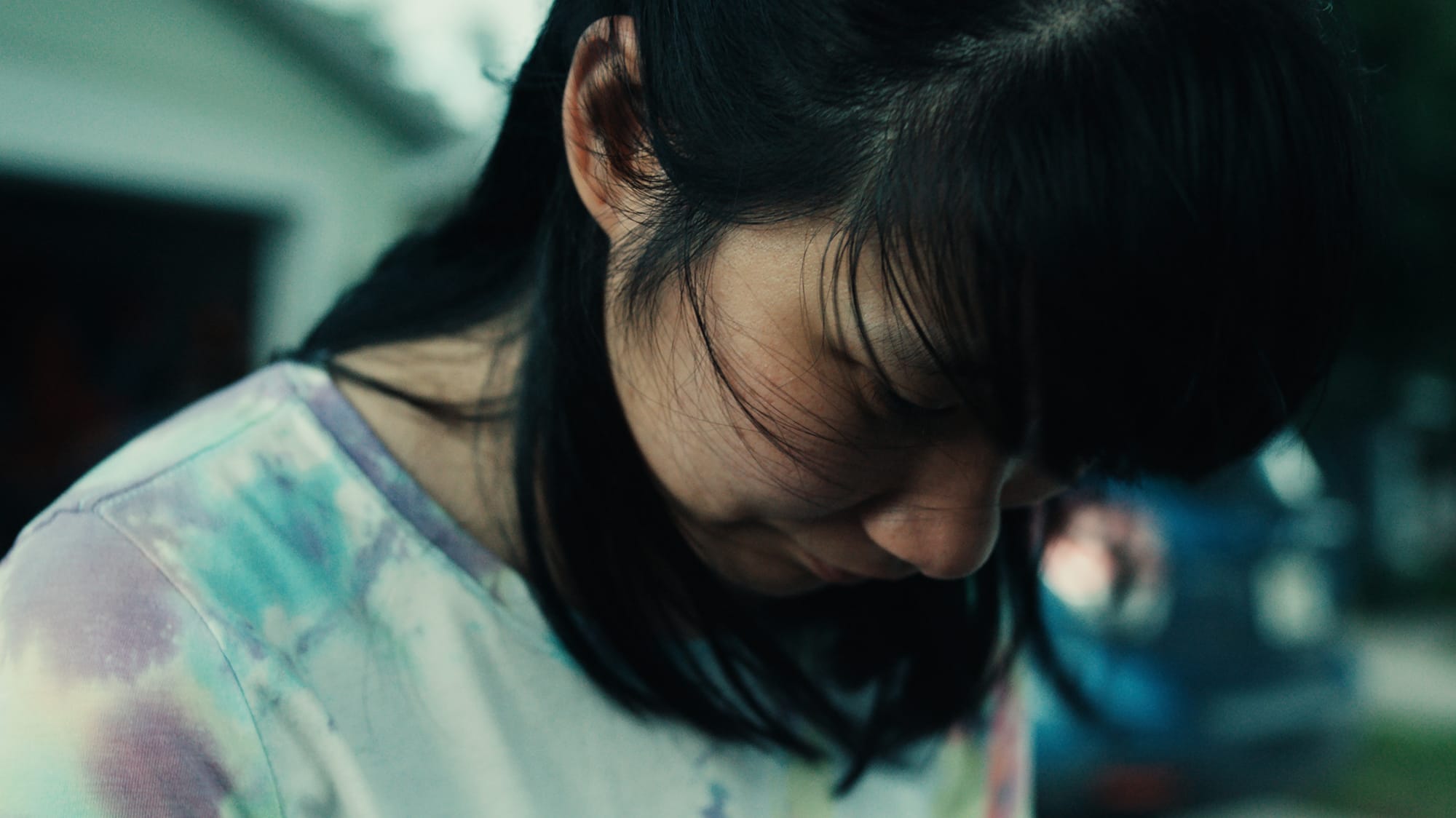
This year's Sundance felt particularly personal, with several narrative films featuring characters named after their real-life counterparts. Take Me Home is one such movie. Written and directed by Liz Sargent and starring Sargent's real-life sister as the protagonist, Take Me Home tells the story of Anna, a 38-year-old with cognitive disabilities who's trying to live life with her aging adoptive parents. When tragedy strikes, Anna's family is forced to confront some difficult truths about how viable their current arrangement is.
I feel like popular culture tends to fall into a few traps when it comes to depicting folks with disabilities. It often infantilizes the differently abled and valorizes the people taking care of them. Take Me Home tackles each of these roles with nuance and care. In the film, as in real life, no one is perfect, everybody is trying their best, and the correct solution to any given situation is often non-obvious.
Take Me Home is relentless in its depiction of what taking care of someone with a disability entails–the exhaustion, the constant decision-making, the non-negotiables, and the things you barely let slide. But it also captures the moments of sheer joy, the beauty of the quiet moments, and the comforts that are found in the decisions its characters have made. Anna (the actress) is wonderful in a challenging role and the film deserves attention for confronting us with uncomfortable truths about disability, aging, and what happens when those things collide. —DC
If I Go Will They Miss Me (dir. Walter Thompson-Hernández)
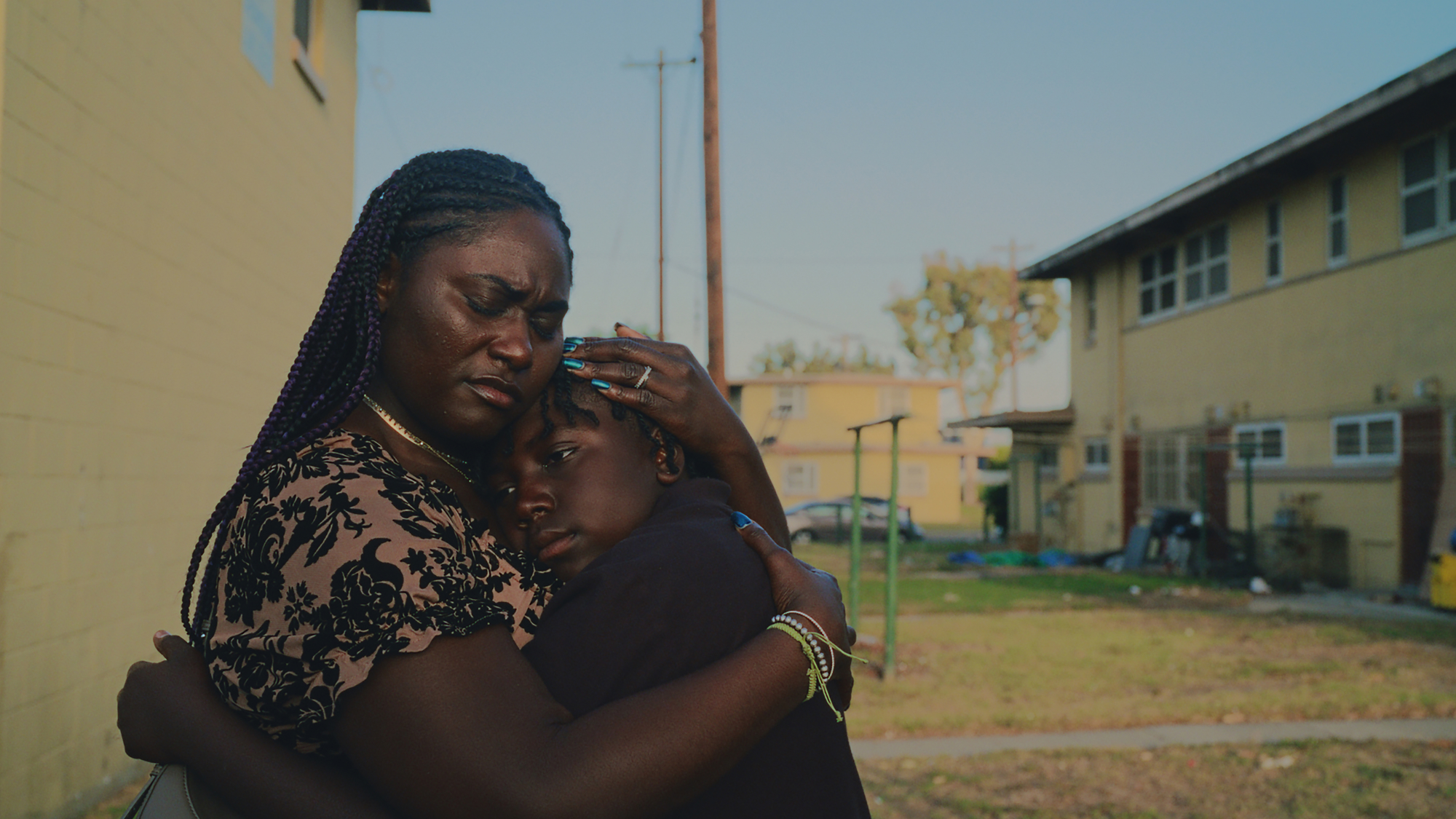
As my other picks illustrate, I tend to gravitate toward art that has a strong aesthetic point of view. I want to be moved, and often that means wrestling with something surprising or abrasive. Occasionally, though, a film will envelop me so wholly that I can barely feel it pushing. It lifts me up, carrying me in a way that seems effortless.
If I Go Will They Miss Me is one of those special exceptions, and it’s my favorite of the festival by leaps and bounds. On the page, Walter Thompson-Hernández’s story might read like a conventional Sundance drama. But on the screen, it’s sublime.
Anthony, or “Lil Ant” (Bodhi Dell), is living with his mother and siblings in the Watts neighborhood of Los Angeles. His father, Big Ant (J. Alphonse Nicholson), has been incarcerated for the better part of his childhood. Despite his flitting presence, Big Ant takes up permanent space in Lil Ant’s imagination. The boy sees his dad as a Greek god, a larger-than-life figure, a hero of Homeric proportions. Meanwhile, the real Big Ant is newly out of prison and struggling. He isn’t quite at ease being anchored to anything, let alone bearing the weight of a twelve-year-old’s mythology. The more Lil Ant idolizes him, the more uncomfortable Big Ant feels.
Thompson-Hernández turns these raw materials into a soaring, lyrical expression. From Malcolm Parson’s swooning score to Michael Fernandez’s lush cinematography, every component works in tandem to create a singular mood. The result is an ode to childlike wonder, an outpouring of grief over thwarted dreams, and a meditation on both belonging and escape. How do you hold onto hope in a world that will likely disappoint you? Is it possible to take flight while staying grounded? —SDM
Honorable Mentions
Stephen David Miller's:
- LADY
- How to Divorce During the War
- Josephine
David Chen's:
- American Doctor
- Nuisance Bear
- Hanging By a Wire
Stephen David Miller is the host of The Spoiler Warning podcast.