Five Lessons from the 2026 Summer Movie Season
What did we learn from the hits and misses at the theater?

As the summer movie season ends and we look ahead to the festival circuit, it’s worth pausing to see what we can learn from what hit and what missed at the box office. Whether Hollywood actually acts on those lessons is another story. There’s even the question of how the industry will endure should Paramount manage to complete its merger with Warner Bros. Discovery. But for now, we can see a new generation of filmmakers rising to meet their audience, some established names still matter to audiences, a reckoning with superhero cinema, the tenuous status of non-IP movies, and Disney needing to break out of its doldrums.
Obsession, Backrooms, and the New Kids on the Block
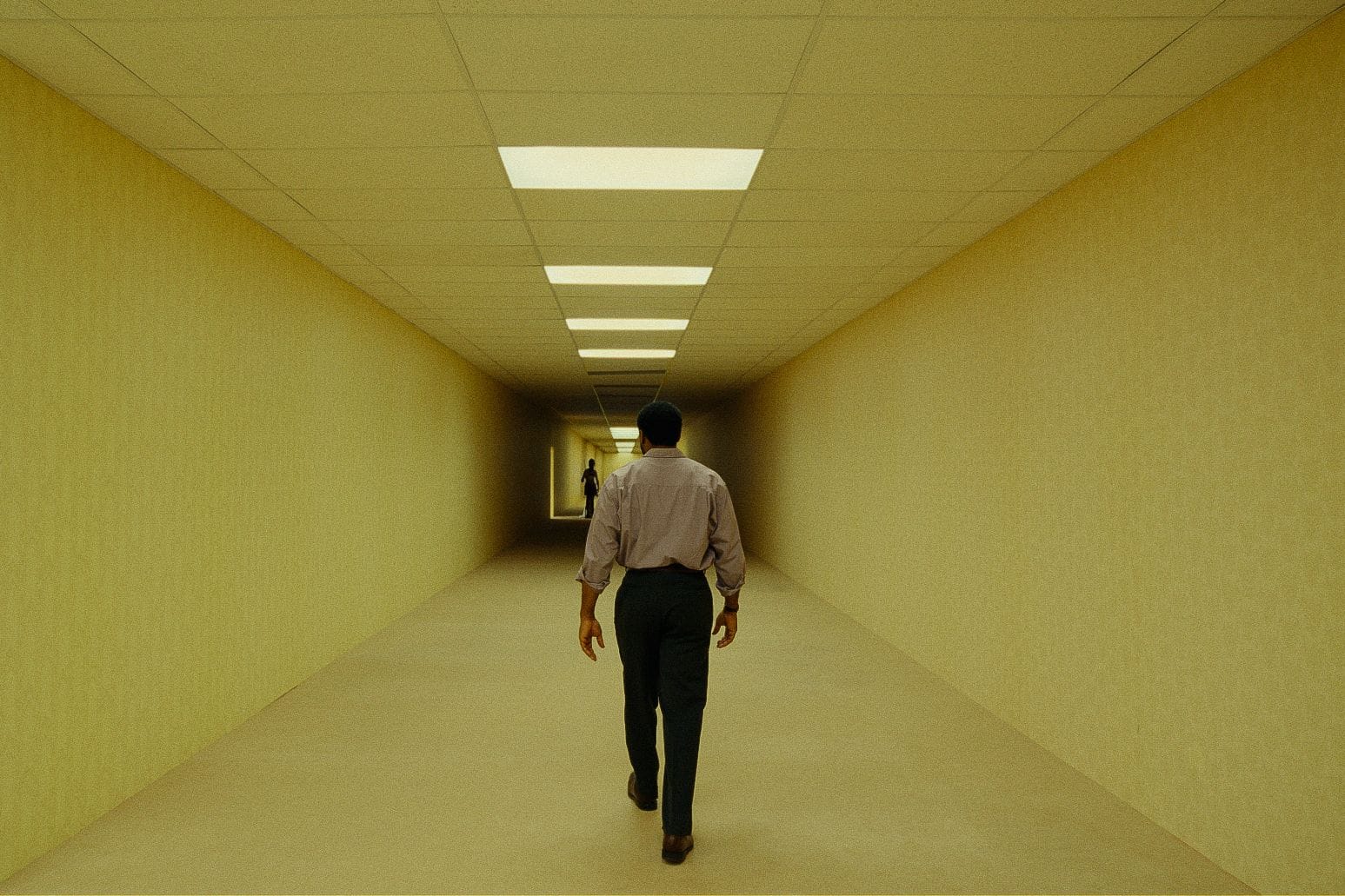
The big story at the start of the summer was unquestionably the huge box office takes for Obsession and Backrooms. Obsession currently sits as the sixth highest-grossing horror film of all time. Backrooms is A24’s highest-grossing film to date, and its filmmaker, Kane Parsons, is the youngest filmmaker to ever reach number one at the U.S. box office. While it’s not new that horror movies can yield massive returns, as audiences want to see that genre in theaters and it’s relatively cheap to make movies in that genre, these movies stand apart for the youth of their directors. Parsons is only 21, and Obsession director Curry Barker is 26.
Presumably, the success of these young directors will send producers and studios to YouTube to try and find the next hitmaker who brings with them a built-in audience of followers. Not everyone will have the same success as Parsons and Barker, but both of their movies feel fresh and new. However, the flip side to this is whether Hollywood will act on more than youth and encourage a diversity of voices or whether we’re in for a bunch of young white guys who have an idea for a horror movie.
As for Barker and Parsons, we also have to wonder if they’ll continue to grow and distinguish themselves as individual voices, or if they’ll be vacuumed up by franchise machines. Barker is already set for the latest reboot of Texas Chainsaw Massacre, but perhaps he’ll have the leeway to make his voice stand out, similar to how Christopher Nolan’s Batman movies were still distinctly from Christopher Nolan. Speaking of whom…
Director as Brand
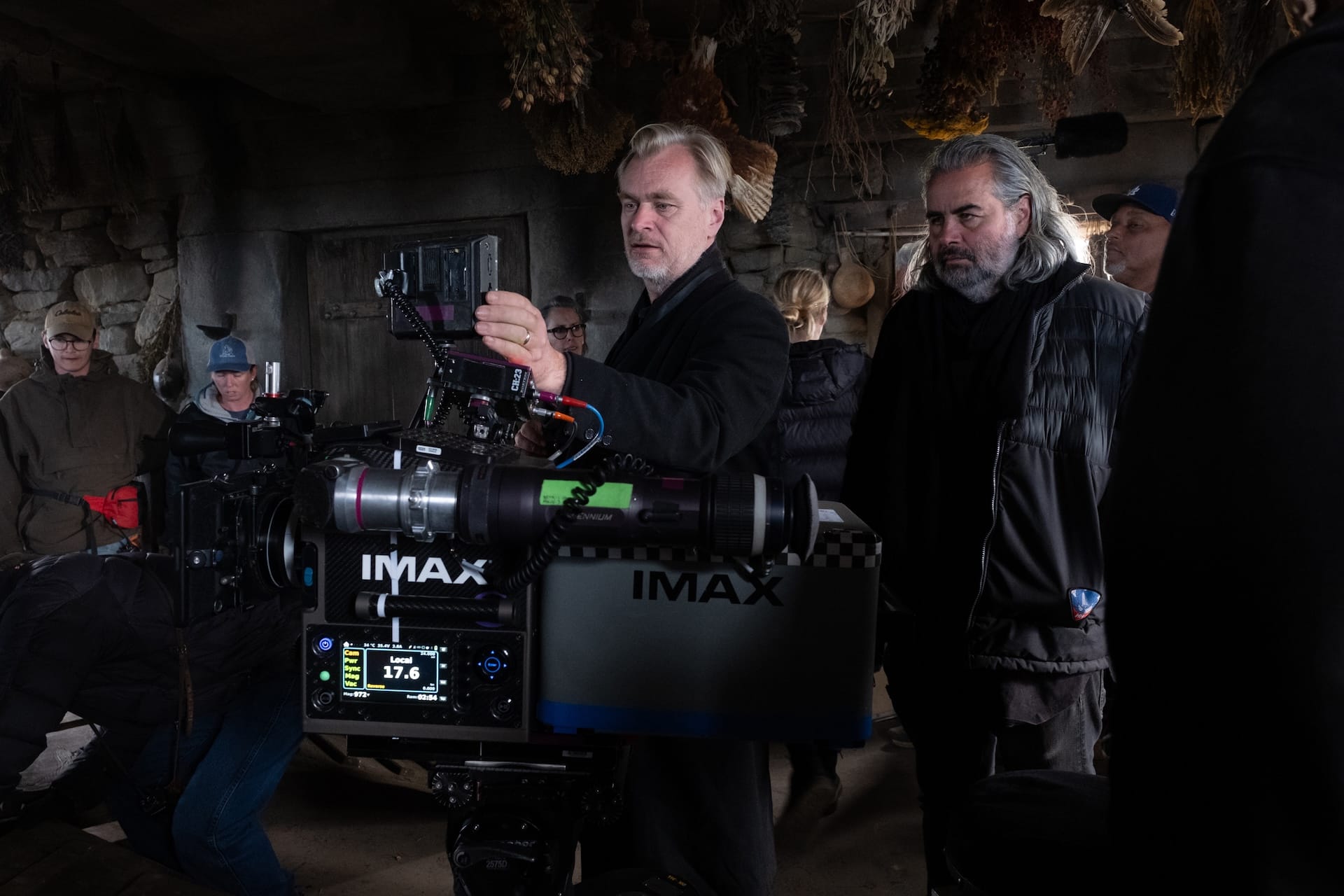
While The Odyssey was a known quantity as a story and the cast was stacked with popular actors, we can’t underestimate how it’s Christopher Nolan’s name that does a huge part of selling the film. He has carved out a precise brand, conveying that when you see a Nolan movie, you need to see it in a theater (although there was no shortage of jokes about “watching” the film on Apple Watches or other tiny devices) and on the biggest screen possible. At a time when people are more than willing to wait for streaming to see movies, a Nolan picture encourages people to rush out on opening weekend. Granted, he’s in rarefied air by having the freedom to shoot an entire movie with IMAX film cameras, but the outcome indicates that whatever his next movie will be, people will want to see it in a theater.
The question then becomes, “Are there any other directors whose names carry the same cachet as Nolan?” On the one hand, it’s encouraging that audiences are identifying with a director regardless of the franchise, and that certainly bodes well for whatever Ryan Coogler pursues once he’s done with Black Panther III. However, there is also a generational divide, as we saw with the lukewarm box office for Disclosure Day, a movie that was marketed heavily on Steven Spielberg’s name above all else. This was his vaunted return to both summer blockbusters and alien movies, and yet despite the positive notices, it made less than half of his previous blockbuster, the IP glut of Ready Player One. While younger audiences may know the franchises of Jurassic Park and Indiana Jones, it’s possible that they may no longer recognize the legendary director behind them. So while directors’ names matter, we can’t ignore the power of IP. Speaking of which…
What's a Non-IP Blockbuster to Do?
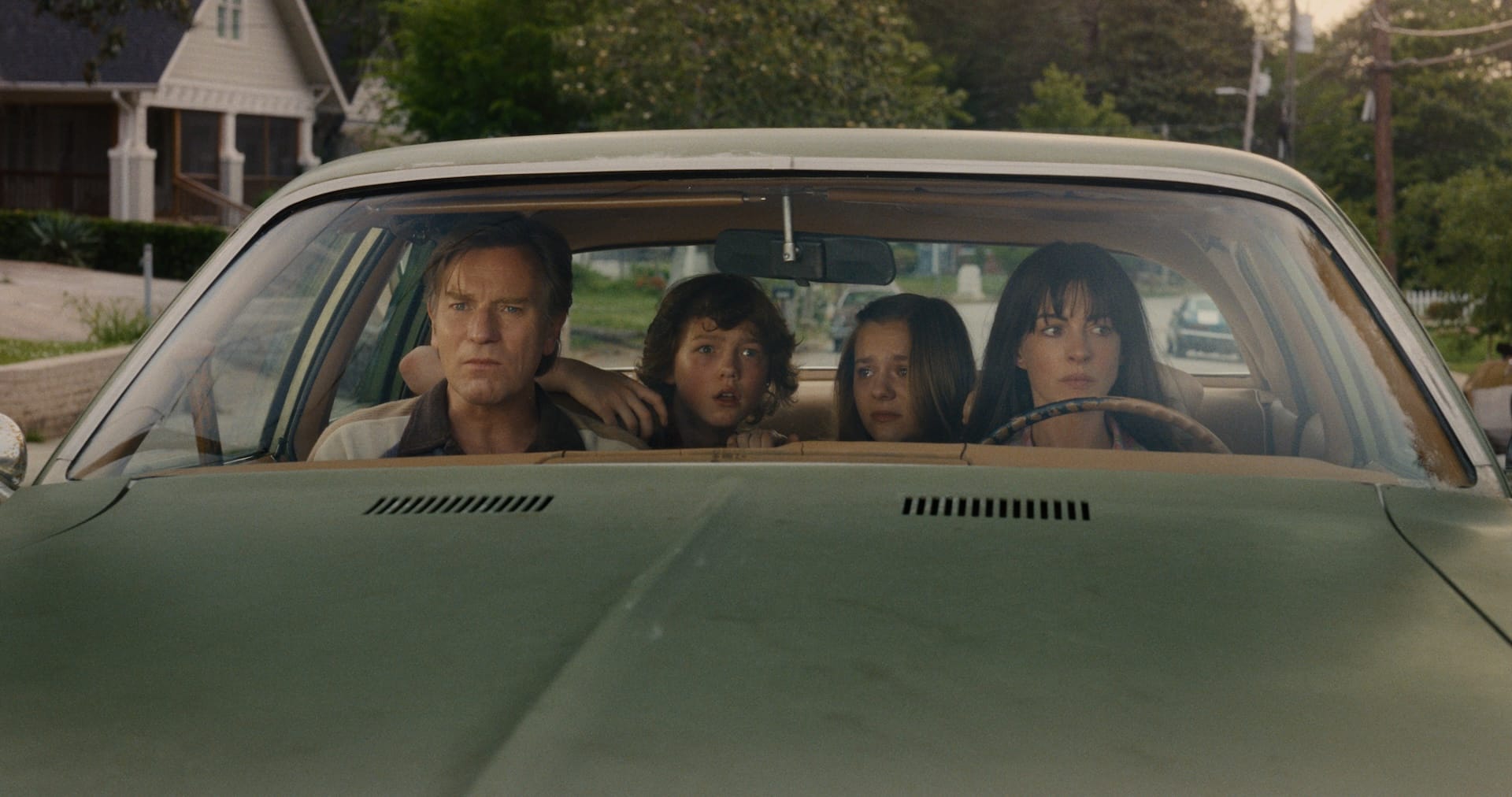
Even though The End of Oak Street draws heavily from the influence of 1980s Amblin movies, it's still an original IP with no built-in audience from books, video games, etc. With a budget of $80 million plus marketing, the movie only pulled in $21 million on its opening weekend against the behemoths of Spider-Man: Brand New Day and The Odyssey. Even the star power of Anne Hathaway, who featured not only in The Odyssey but also the box office hit The Devil Wears Prada 2, wasn't enough to do anything for the film.
The movie feels like a victim of multiple factors. For starters, ticket prices are too high and everyone is using some sort of streaming service. Unless it's a movie that everyone is guaranteed to be talking about or it really picks up that word-of-mouth strength, then it makes more financial sense to wait a few months for a movie to arrive on streaming than to pay full freight at a theater. Unless there's some sort of way to pre-sell a movie, audiences are far more hesitant to take a flyer on a film like The End of Oak Street when there's a more of a guarantee on something like Spider-Man: Brand New Day.
This means what studios are paying for isn't so much the box office, but the legitmacy of theatrical for when a movie hits streaming, it's still a real movie. You'll note that for all the money streamers are pouring into features, there was no KPop Demon Hunters-sized hit this year. No streamer made a movie that had everyone talking. For now, the strategy almost seems to be use theatrical as a kind of loss leader that then props up the streaming plays. The downside is that this continues to hurt theatrical with few features being able to fully utilize that mode of distribution. Even superhero movies are a mixed bag. Speaking of which...
Spider-Man vs. Supergirl
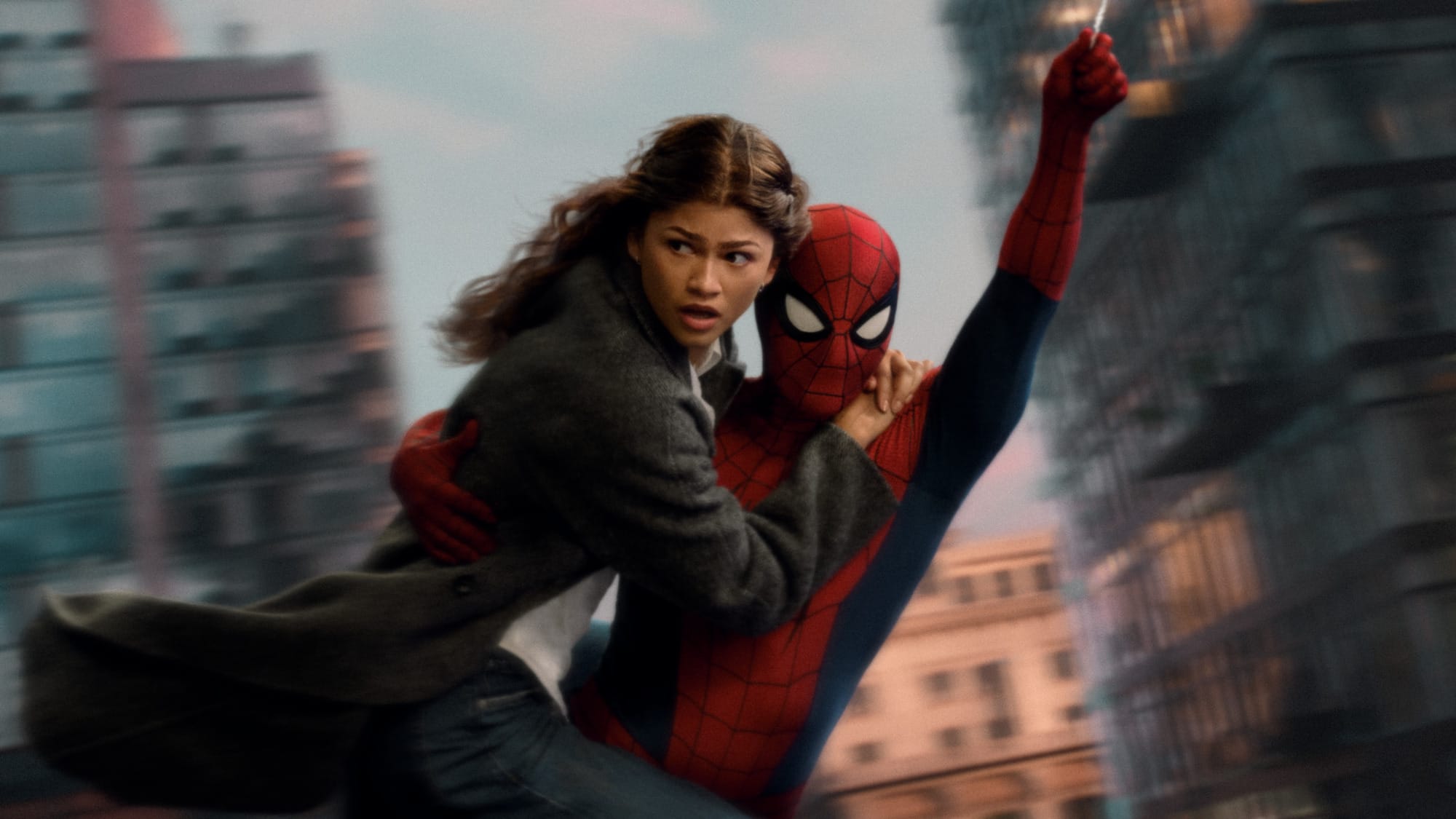
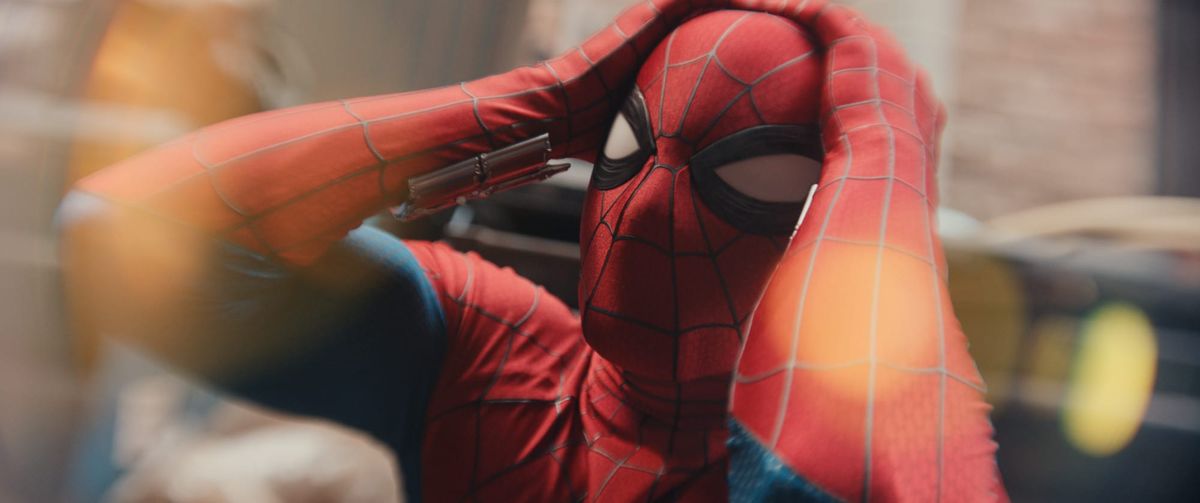
This summer saw one gargantuan superhero hit and another superhero flop. Spider-Man: Brand New Day came out swinging, earning the biggest domestic opening of all time, and the movie easily crossed $2 billion at the worldwide box office. Several factors were at work here, including the character’s absence since 2021’s Spider-Man: No Way Home, the combined star power of leads Tom Holland and Zendaya, and people just like Spider-Man. He’s easy to understand, easy to root for, and people have been on board with the character for decades. Buying a ticket to see a Spider-Man movie is about the safest bet you can make as an average moviegoer.
But that doesn’t mean every superhero movie is going to perform. We’re a long way from the days of 2018 and 2019 when a studio could send out a Captain Marvel or an Aquaman and it would make a billion dollars. James Gunn wanted to start building out his DC cinematic universe with Supergirl, but audiences weren’t interested. Maybe they’ll tune in on HBO Max or before Gunn’s Superman sequel arrives next summer, but audiences do seem to have hit their limit on how many superheroes they’re supposed to care about.
This leaves studios in a tricky position. Shareholders want to see all the IP used for maximum gain, but not all the IP is created equal. Over at DC, Gunn is trying to see if he can split the difference with a lower-cost creation like Clayface, which arrives in October. As for Marvel, their post-Avengers slate has some likely hits with a reboot of the X-Men as well as the return of Black Panther, but a Ghost Rider movie starring Ryan Gosling isn’t an automatic slam dunk. Even Disney may be aware of how much they’ve overloaded on superhero fare in the past few years, as the only Marvel movies they have coming out over the next two years will be Avengers: Doomsday and Avengers: Secret Wars. Without a bunch of Marvel movies for 2027, Disney will need to turn elsewhere for hits. Speaking of which…
Disney’s Flop Era Continues
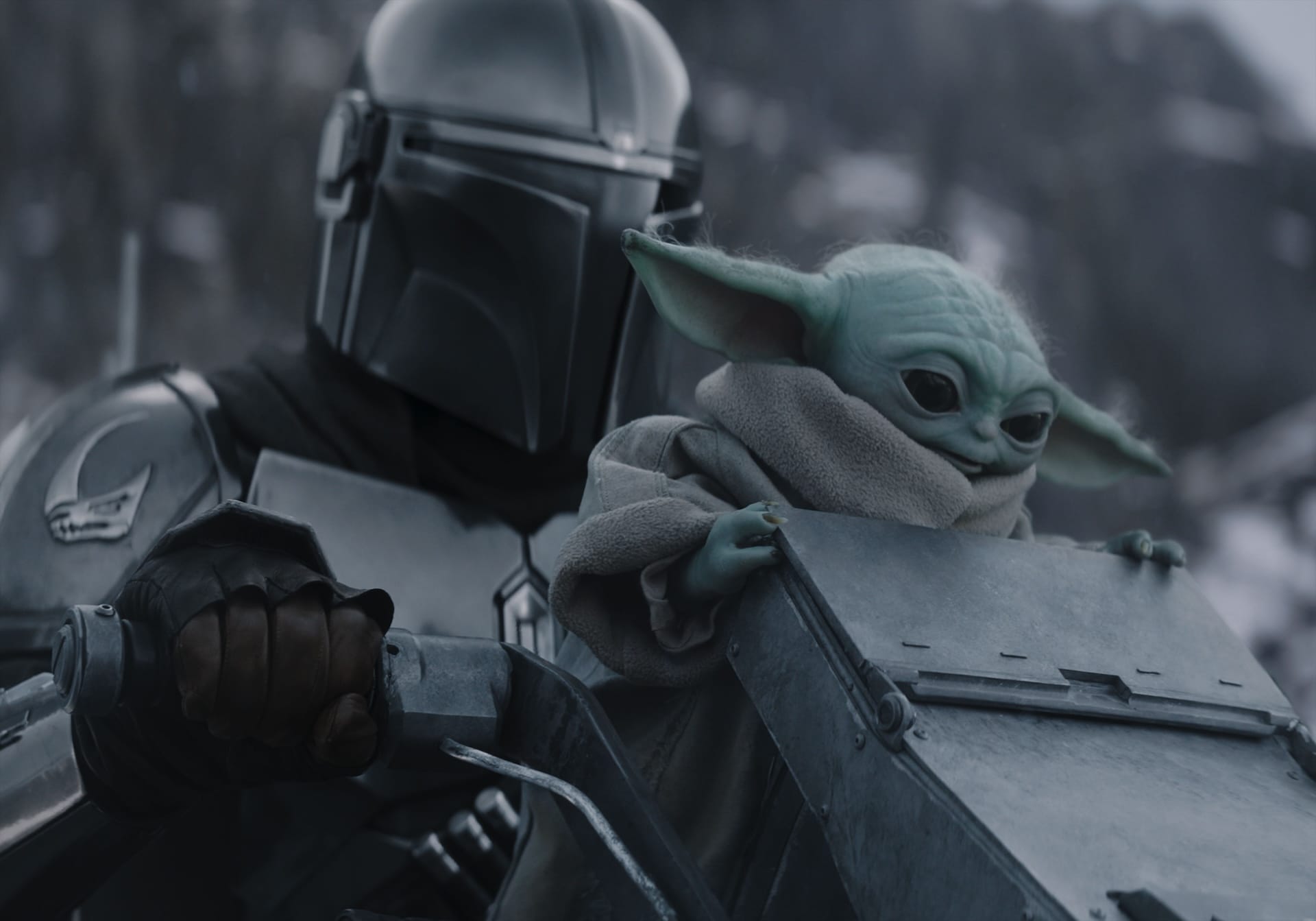
Disney, by virtue of the size of its empire, will always draw more attention than the other major studios, especially since it gobbled up one of them (20th Century Fox) back in 2019. They’re also the studio that became accustomed to cranking out movies that casually reached a billion dollars worldwide. But outside of Toy Story 5 and arguably The Devil Wears Prada 2 (a carry-over from 20th Century), that wasn’t the story for the studio this summer. They get a cut of the profits from Spider-Man: Brand New Day, but the majority goes to Sony Pictures since they own the character’s movie rights. This left Disney with Star Wars: The Mandalorian and Grogu and the live-action remake of Moana. Both movies were costly misfires, and while one could argue that Disney has so many revenue streams that ultimately these movies feed into something else like a theme park or Disney+, the truth remains that Disney isn’t spending hundreds of millions on blockbuster cinema so they can limp to disappointing box office returns.
And yet Disney also seems determined not to learn anything, and hopes that their current strategy of only franchises and remakes will be enough to carry them through. They’re looking more at the success of Toy Story 5 (before laying off a bunch of Pixar people anyway) rather than what didn’t work, so of course they’re laboring on a live-action Tangled (due out in 2028) and hoping that Star Wars: Starfighter will connect with audiences who didn’t care about seeing Mando and Baby Yoda on the big screen.
But we’re witnessing the limitations of this franchise-based strategy dating back to last fall’s Tron: Ares, a movie that never should have been greenlit in the first place but presumably was tempting by virtue of being IP that also had a new ride at Tomorrowland. To bring things back around to Obsession and Backrooms, younger audiences want original movies to call their own. They also don't want to come out to the theater to see something that's a more expensive version of what's at home on Disney+. They’re not going to gobble up every reheated franchise even if Jerry Bruckheimer is teasing/threatening a sixth Pirates of the Caribbean movie. At some point, Disney is going to need to invest in original, live-action IP again if they’re going to have any hope of injecting fresh life into a studio whose output feels more like a collection of broken-down theme park rides.
Matt Goldberg is a film and TV critic who runs the newsletter Commentary Track.