‘Avengers Endgame: Encore’ and the Comfort of Never Moving On
As the hit film returns to theaters with a few added ‘Avengers: Doomsday’ teasers, it now serves as a metaphor for the studio’s larger strategy.

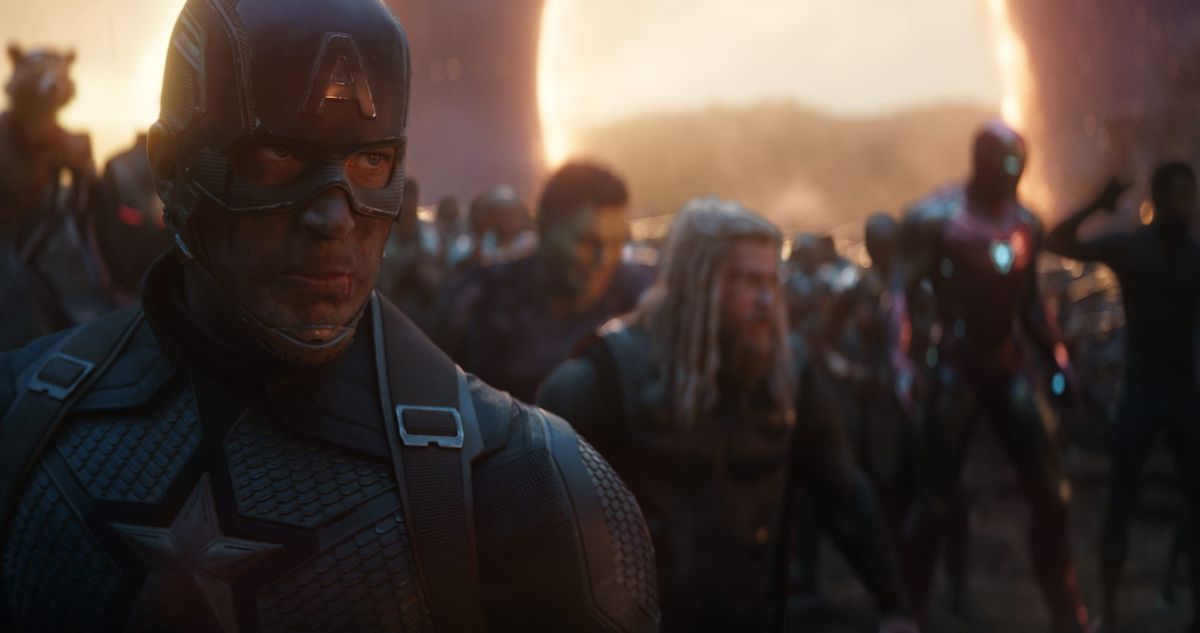
Early in Avengers: Endgame, a weary Natasha (Scarlett Johansson) talks with Steve (Chris Evans) about how she can’t share his awe at seeing whales in the Hudson River. “You know, I keep telling everyone they should move on and grow,” he replies. “Some do. But not us.” Their solution is a way to not move on—five years have passed, but thanks to a “Time Heist” where they retrieve the Infinity Stones from the past, everyone who was snapped away by Thanos gets brought back. Tony Stark dies in the process, but we’ve seen how “death” is a fuzzy concept in the Marvel Cinematic Universe.
And yet the return on screen, and the returns promised by Avengers: Doomsday, feel both comforting and strangely bittersweet seven years later. Marvel putting Endgame back into theaters as “Encore” feels like a piece from a studio that desperately wishes it could go back to 2019, when it was the center of the entertainment universe and not one where they’re going to be fighting for attention with Dune: Part Three when they both open on December 18th.
I don’t want to romanticize 2019 as some ideal point in history, but returning to Endgame now, there’s an underlying sense of how much has fractured in ways the film never anticipated. For Marvel, they were adapting the popular Infinity Gauntlet comic storyline and paying off the ambitious cinematic universe they began constructing with Iron Man back in 2008. None of us knew that a year later we would be hit with the COVID pandemic. Chadwick Boseman, who inspired so many with his performance as Black Panther, would pass away from colon cancer in August 2020. Nothing could go back the way it was before, and yet there was a very human desire to persevere in a way that sought the familiar. Not to get too political, but even the reelection of Donald Trump, with voters emphasizing the economy as their number one issue, spoke to a desire to return to 2019 when the economy was stronger. “Make it like it was” is a seductive appeal.
Marvel, unsurprisingly, has used such a return as a guiding force in the lead-up to Doomsday. For those who don’t know, the studio originally planned to make Kang the Conqueror (Jonathan Majors) their primary villain, with the next Avengers movie originally titled Avengers: The Kang Dynasty, directed by Shang-Chi helmer Destin Daniel Cretton. But the character’s major debut in Ant-Man and the Wasp: Quantumania flopped, followed by allegations of domestic abuse against Majors. The studio also continued to whiff on films like Eternals and Thor: Love and Thunder, failing to gain the adoration and excitement their movies experienced between 2008 and 2019. For example, their 2019 release Captain Marvel made $1.1 billion worldwide, while its 2023 sequel, The Marvels, made $206 million worldwide.
With their fortunes fading, the studio returned to Robert Downey Jr., asking the actor most associated with the success of the MCU to take on the role of famous comic book villain Doctor Doom. The studio also decided that their next Avengers film, now titled Avengers: Doomsday, should be helmed by the Russo Brothers, whose own career hadn’t blossomed as they hoped after the success of Endgame (no need to cry for Cretton; he landed on his feet). The Russos directed a string of expensive streaming movies that failed to gain any pop culture traction. So, to quote Thanos, “You could not live with your own failure. And where did that bring you? Back to me.”
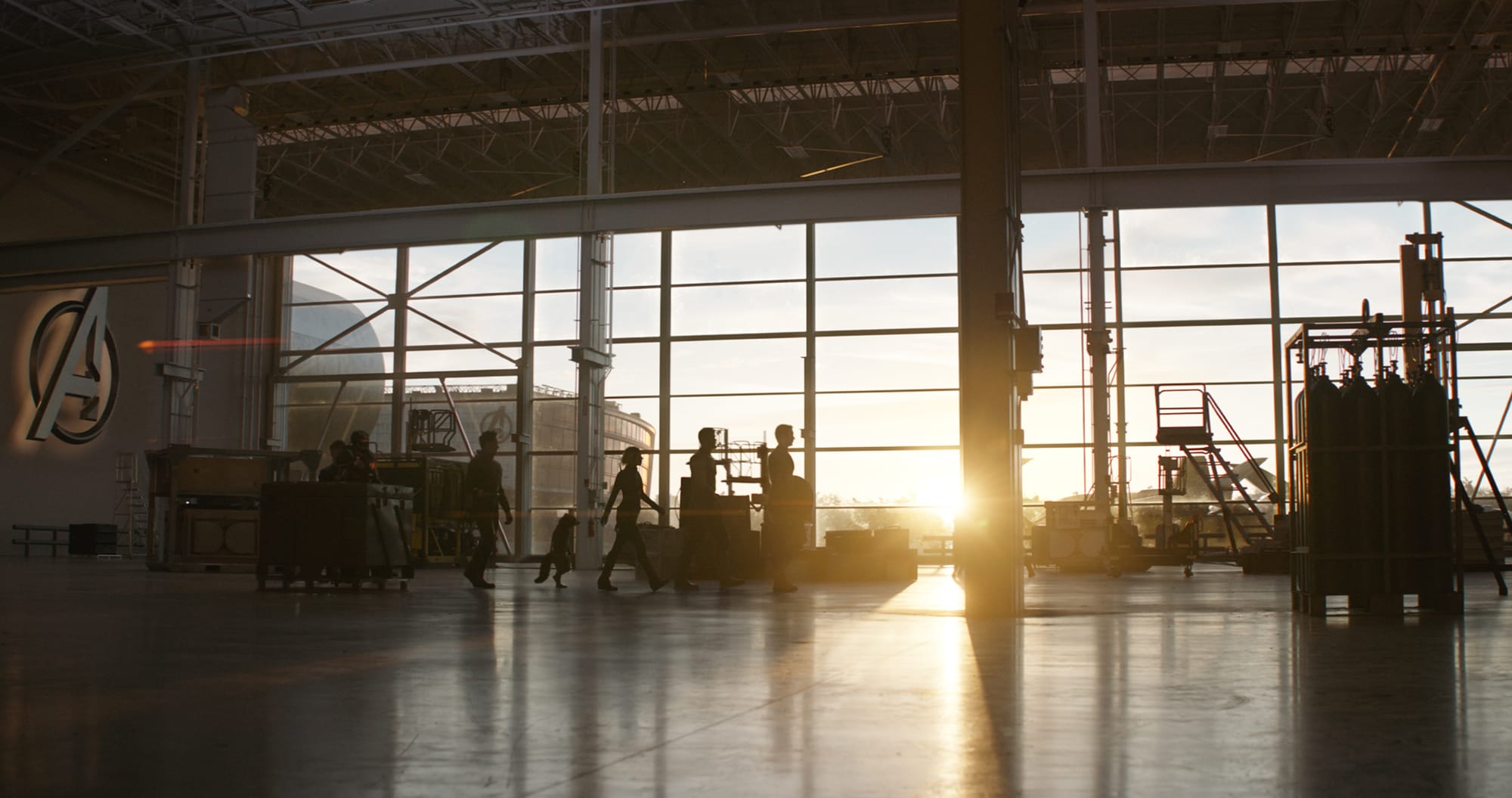
Marvel, with the release of Encore, wants to make things like it was. To “bring everyone back,” so to speak, like when Hulk (Mark Ruffalo) used the Nano Gauntlet to undo Thanos’ genocide. You can see that in the marketing, which highlights how happy everyone was in April 2019 when Sam (Anthony Mackie) said, “On your left,” and the portals opened up to have all the Avengers assemble. The snap in Endgame is to bring everyone back like they never left, and similarly, Marvel, despite asking quite a bit of homework of its audience, is trying to say the same message.
It’s this strange two-step Marvel does: “Things are different, but it’s the same.” We’ve seen this a few times in the past five years. Black Widow died, but we can still make a prequel about her. Loki (Tom Hiddleston) died, but his 2012 version survived and is now a hero. Vision (Paul Bettany) died, but he was brought back through Wanda’s powers, kind of died again, but now he’s back again in VisionQuest, which airs on Disney+ in October. Gamora (Zoe Saldaña) died, but her 2014 version is alive and now leads the Ravagers in Guardians of the Galaxy, Volume 3. Captain America got his happy ending, except now he needs to return. Tony Stark died, but the actor who played him is now the main villain. Things are different, but they’re the same.
In some ways, this is incredibly frustrating, especially in a post-COVID world where millions of people died, and they’re not coming back. Furthermore, the solution for some hasn’t been to mourn or grieve these losses, but to pretend that the number is in dispute, and that the whole COVID thing was overblown or the result of some dastardly conspiracy by a government bureaucrat. To say that everything can be like it was feels like a form of denialism.
But watching Endgame: Encore, I understood the allure of retreating back before everything got so much worse in such a short time span. What if there was some benevolent, brilliant billionaire like Tony Stark who would give his own life if it meant saving the entire world? What if there were powerful people who were looking out for our interests instead of telling us that we need to accept their vision of the future or get left behind? Hell, even something as simple as wishing Chadwick Boseman were still alive got me a little choked up seeing Black Panther step out of the portal, wondering what kinds of amazing movies this terrific actor would have made if life weren’t so damn unfair.
So maybe there is an audience for Avengers: Doomsday. Maybe we do want to retreat to an idea where superheroes defeat supervillains and good triumphs over evil. Maybe if we can forget all the ways things haven’t worked out, and if we do enough homework, we can jump back to the thrill of 2019. There is some sort of weird nobility in not moving on. Of not growing. Some say that’s “fighting,” and perhaps that can appeal to those lapsed Marvel fans to return for Doomsday despite everything that’s happened in the last seven years. Perhaps there is some odd beauty in a lost cause.
For those who want to know what was added for Encore, you can read on along with my thoughts on the additions.
Spoilers Ahead for Avengers Endgame: Encore
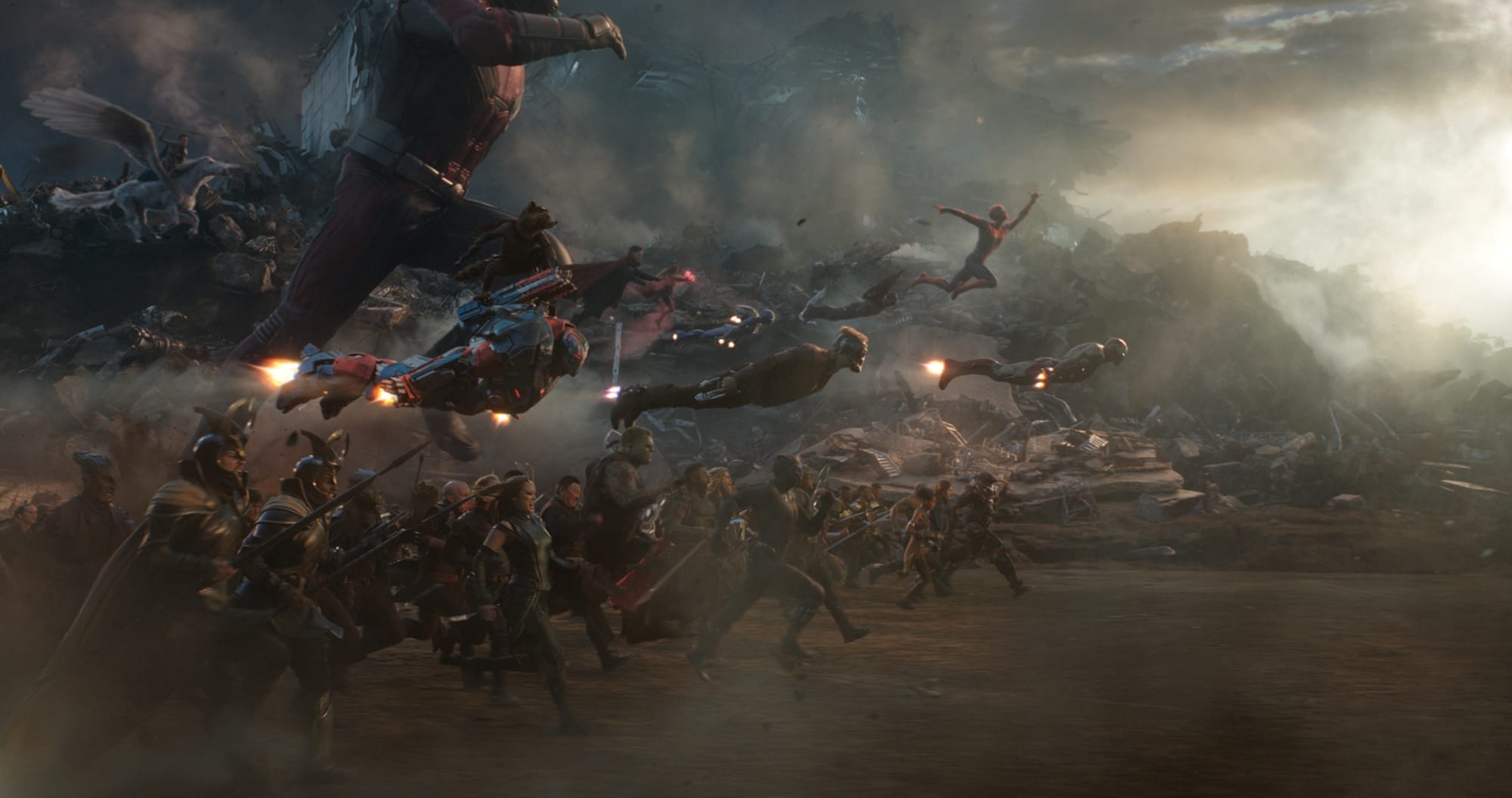
Endgame was refreshing at the time for its finality. Not only does the movie end with clear conclusions for major characters like Captain America and Iron Man, but there were no teaser scenes during the credits. The most audiences got was at the end of the credits: the sound of Tony hammering his original Iron Man armor as a way of saying, “Look how far we’ve come.”
No longer. Here's what's been added:
- At the end of Encore, Steve and Peggy (Hayley Atwell) are dancing and about to kiss when this time there’s a knock at the door. Peggy goes to answer while Steve hides and prepares for a fight. She asks the stranger, “Can I help you?” The stranger is Loki (the one from the TV series, not the one who had his neck snapped by Thanos at the beginning of Avengers: Infinity War), who replies, “No, but I believe I can help you,” and, even though he hasn’t seen Steve, adds, “Both of you.” Steve steps out and sees his old foe, and then we go to the credits.
- Midway through the credits, we get a scene of Bruce Banner recording a video diary about how he’s now in an underground base, safe from the world after the incident that saw him go berserk in Spider-Man: Brand New Day. He says he’s been researching gamma radiation to find a solution that will prevent another such incident. But in the middle of his recording, we see a flash of green light. Banner asks the off-screen presence, “Who are you?” The voice, belonging to Doctor Doom, says, “Dr. Banner. I’ve come to collect you.” Another flash of green light; some flaming runes are spotted on the ground, and Banner is gone.
- After another block of credits, we get one more scene. Mobius (Owen Wilson) is working at the Time Variance Authority (TVA) when he’s informed that two Earths are about to collide. Then more alerts go off, announcing more “incursions” where timelines collide, and universes are destroyed. Mobius at first believes it must be an error, but it soon becomes apparent that something is happening to cause such destruction. O.B. (Ke Huy Quan) turns to Mobius and tells him, “The multiverse is collapsing.” Return to credits.
- Finally, at the end of the credits, the sound of hammering the first Iron Man suit now cuts from a shot of Tony making the armor to a close-up of Doctor Doom.
For me, these additions remove the distinctive finality from Endgame. They turn it from a conclusion into just another chapter, filled with teasers of the next thing. Also, think how annoyed people would have been in 2019 if, just at the moment of seeing Steve and Peggy get their happy ending, Loki knocked on the door. It's the kind of addition that only works seven years later and after scrapping the plan for The Kang Dynasty.
This is all to say that while it's neat seeing Endgame on the big screen again, if I had to choose between versions to rewatch in the future, I'm probably going to go with the original rather than Encore.
Avengers Endgame: Encore is now playing in theaters. Matt Goldberg is a film and TV critic who runs the newsletter Commentary Track.