Sundance 2026 Dispatch #2: Fighting to Save Lives as Death Rains Down
Matt Goldberg finishes up his remote Sundance viewing with American Doctor, Public Access, Extra Geography, Hanging by a Wire, and LADY

Looking at the time remaining for the online Sundance experience, I didn’t want to overload my schedule. While I knew there would be buzz gathering around certain titles, I also didn’t want to neglect those I found interesting, nor pack my schedule so that I was so tired I couldn’t give a movie a fair shake. Even when you’re at home from the comfort of your couch, the fourth movie of the day you pop on around 9 pm is going to hit differently than the first one you watched around 10 am. So I kept the viewing schedule reasonable, which turned out not to matter so much on Day 3 since the first film hit me like a ton of bricks and left my mental health hanging by a thread. (For my dispatch covering the first two days, click here)
American Doctor (dir. Poh Si Teng)
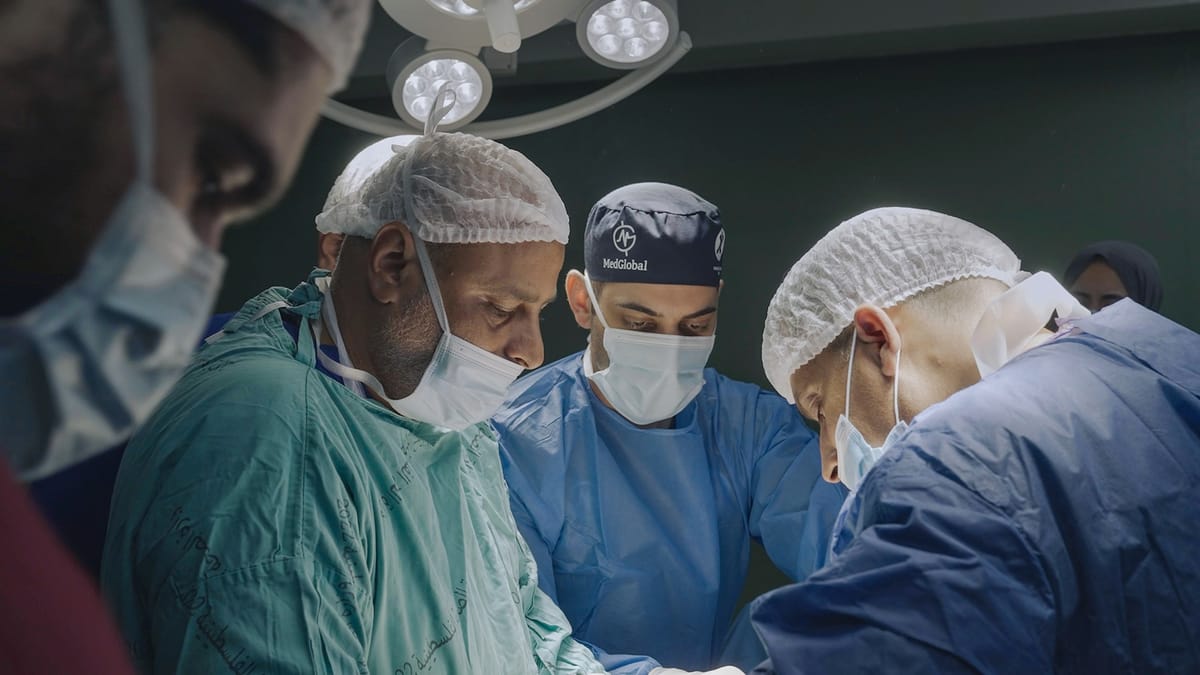
In the opening minutes of American Doctor, Dr. Mark Perlmutter, an orthopedic surgeon who has been working in Gaza since the war began in October 2023, stresses to director Poh Si Teng that she can’t blur or pixelate images of dead children because to do so is a form of complicity. “Their bodies tell the story,” he says, and he’s right. So we see these dead children, and it wounds the psyche and the conscience as intended. Perlmutter, alongside American doctors Feroze Sidhwa (a trauma surgeon who was raised Zoroastrian) and Thaer Amand (an emergency physician of Palestinian descent), is working not only to save lives in Gaza, but to change the minds of their fellow Americans by showing the cost of Israel’s attacks on hospitals.
I honestly don’t know if this will reach the people it needs to and I can see some dismissing Teng’s work as base propaganda or outright anti-Semitic (even though Perlmutter, a strongly anti-Zionist voice, is Jewish). But like the film’s opening minutes, American Doctor presents a thoughtful challenge to its audience to not look away. The film isn’t trying to unpack every facet of the Israel-Palestine conflict, nor is it indifferent to Israeli suffering. But we have to ask ourselves, “Is it ever okay to bomb a hospital?” The Geneva Convention says it isn’t, and even if the entire Hamas command was holed up in the Nasser Medical Complex, would that make it okay to kill every single person on site? It feels particularly cruel to target a building where people are trying to save the lives of children.
American Doctor is a brutal confrontation with the cost of this conflict, not only in the way that Israel is choosing to wage this war, but also in the way that the United States continues to fund it. I’m not sure it will change anyone’s mind at this point—you either believe that Israel is committing atrocities in Gaza, or you feel that those actions are justified—but Teng’s film remains a vital document that will and should haunt us.
Public Access (dir. David Shadrack Smith)
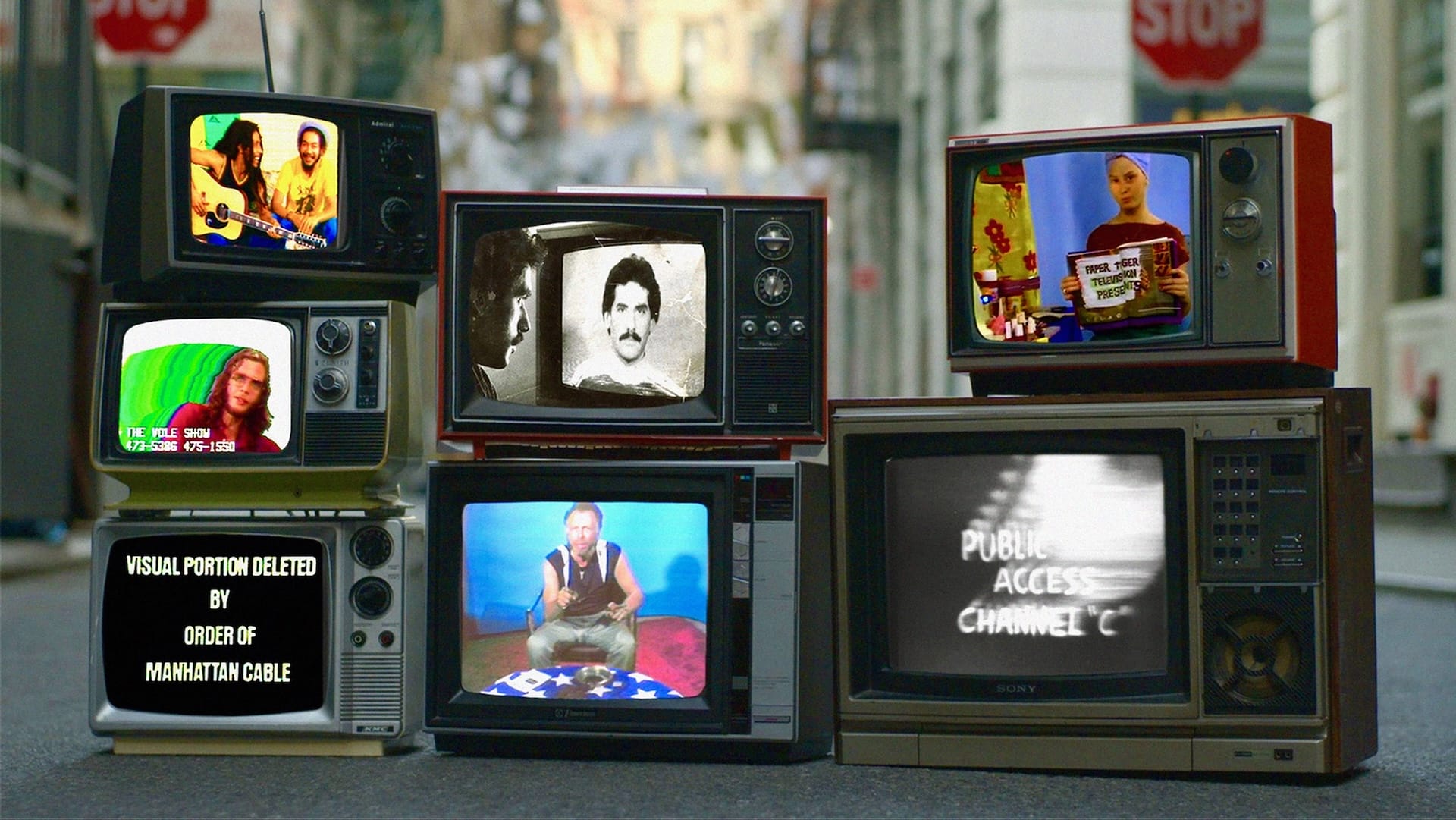
I’m always fascinated by the media and technological predecessors of our current moment. In an age of not only social media but also the rise of vertical video, where user-generated content has become a major factor of our cultural landscape, it should be useful to go back to the “original” user-generated content of public access television, where anyone could make a tape or go into a studio and share that weirdness with the public. I say “should” because in the case of Public Access, David Shadrack Smith’s documentary is both too broad and too thin to prove particularly illuminating about his subject matter.
Rather than attempt to look at all public access channels, Smith wisely zeroes in on Manhattan Cable’s public access and examines its transformation and upheavals through its launch in the 1970s through the 1990s. In the first half, there’s a stronger story about the conflicts between the mainstream and counterculture, as well as protected speech versus pornography. These ideas are particularly useful in examining how public access could serve as a vital way of exploring gay life in Manhattan, even though homophobes would argue that all depictions of homosexual life are inherently pornographic. But on the other hand, a show like Midnight Blue, which depicted sexual acts because they were arousing, was obviously pornography.
Unfortunately, Smith never seems to find any a way to bring the whole film together, instead choosing chronology and shows that were “hits” even when they no longer serve the richer ideas the documentary presented in its first half. It’s not that stuff concerning Squirt TV is bad or unimportant, but it’s tough to find the common ground between “teenager in his bedroom opines about life” and “hardcore pornography” beyond “They were both on Manhattan Cable’s public access channel at different points in time.” Perhaps as a miniseries, these different episodes would receive the attention they deserve, but smushed together in the same documentary, Public Access becomes as haphazard as public access’s programming but without the exhilarating sense of discovery.
Extra Geography (dir. Molly Manners)
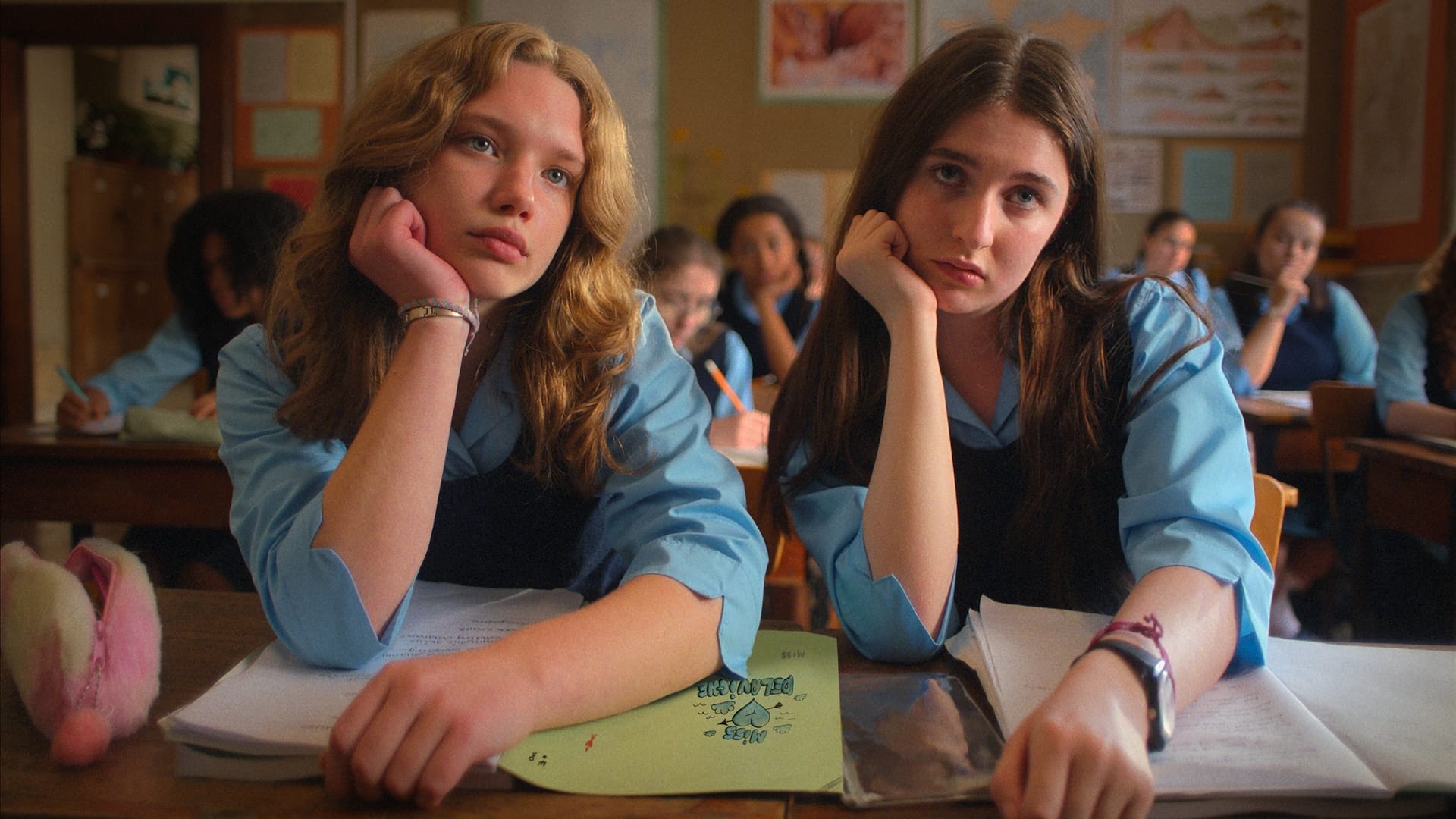
Molly Manners’ feature debut is one of the more memorable coming-of-age stories I’ve seen in a while. The film is set at an English girls' boarding school and follows best friends Flic (Marni Duggan) and Minna (Galaxie Clear). Flic harbors some deeper, unrequited feelings for Minna, but is happy to keep a lid on those as they start considering what their summer project should be ahead of applying for university. They decide that they want to be good at love, and the best way to do it would be to let the target of their affection be random, like Titania spotting Bottom in A Midsummer Night’s Dream. They land on their Geography teacher, Miss Delavigne (Alice Englert), and awkwardly try to woo the older woman.
The film excels because Manners, working from a script by Miriam Battye, understands the unique dance that comes with teenagers going from innocence to experience. There’s something weirdly sweet about these young women looking at love like it’s a school topic that can be studied and perfected. “I want to be as good at love as I am at maths,” Minna tells Flic at one point. But because they’ve both settled on Miss Delavigne, a bizarre sort of competition forms between them, and the jealousies increase every time Minna witnesses a streak of independence from Flic or vice versa. They’re seeing their best friend start to grow up without them, and so their childish instinct is to tear the other person down.
This leads Extra Geography to some surprising moments of bittersweetness as we can all recognize the friends we outgrew or left behind, not because of some massive falling out, but because we simply became different people. Duggan and Clear excel in their roles because they’re unafraid to play the darker notes of their characters, and Manners ensures we always understand the motivations at work so that neither plays as a villain or a hero. Extra Geography exists at just the right distance to where we can laugh at the earnestness of youth, but we’re also close enough to feel the sting of growing up.
Hanging by a Wire (dir. Mohammed Ali Naqvi)
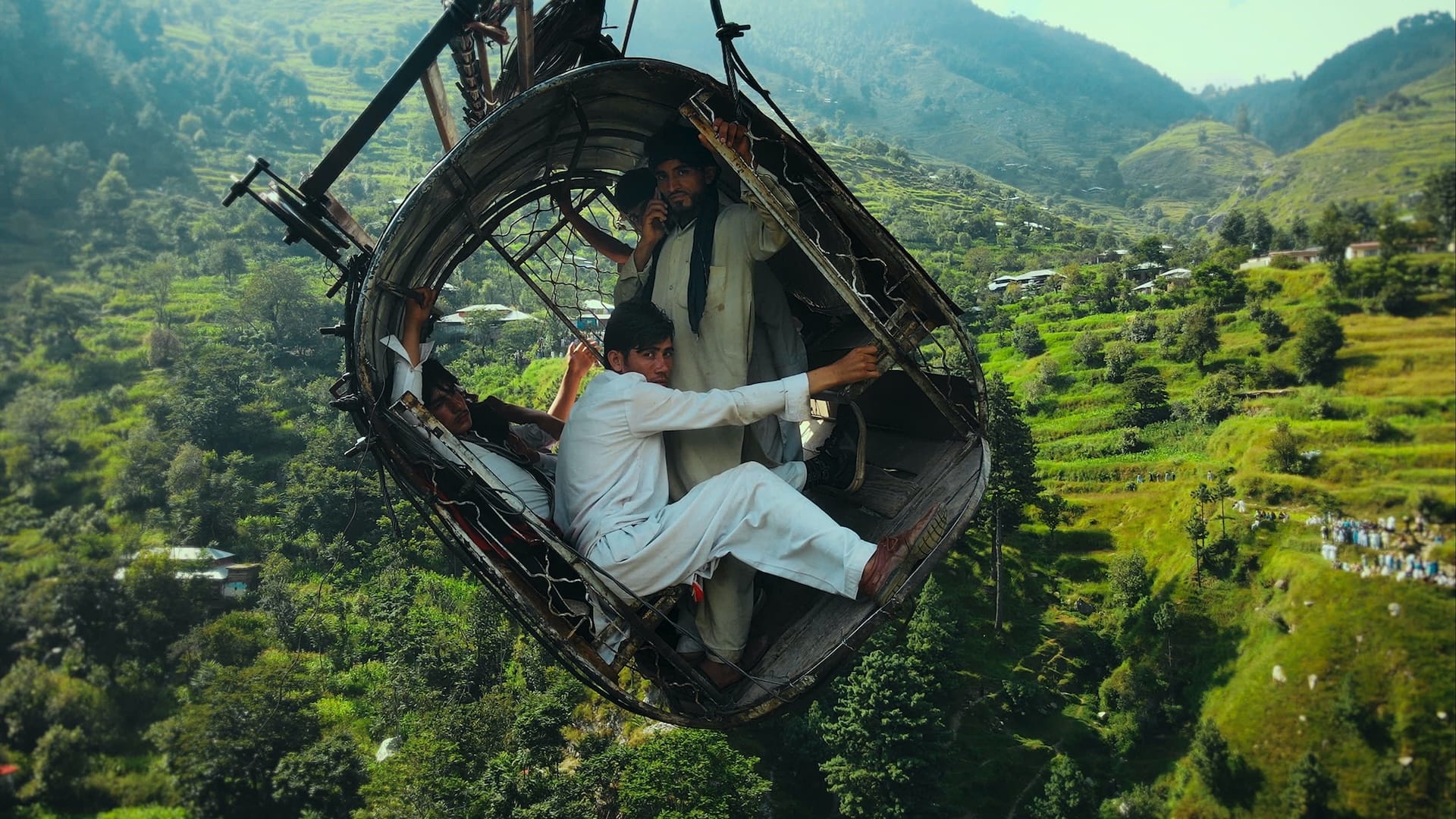
I’m not sure that GoPro cameras are automatically necessary for a rescue operation, but the documentary Hanging by a Wire sure made me glad they were part of this daring mission. In rural Battagram in northern Pakistan, students commute to school via cable cars. In 2023, a cable car wire snapped with eight passengers, including six schoolboys, dangling 900 feet in the air in the Himalayan foothills. With the clock ticking down to when the other cable might snap, locals and authorities race to save the imperiled group.
At a fleet-footed 77 minutes, Hanging by a Wire doesn’t focus too much on the particulars of infrastructure, rural life, or anything surrounding this particular incident. You can glean certain class distinctions and frictions between who is called into rescue and the discrepancies between what the authorities believe will work versus locals who understand the technology, but the film’s relentless momentum keeps it focused on the dangling cable car, especially with so much footage surrounding it.
Even the images from a distance are compelling as we see a chopper try to navigate the narrow space between the two wires as it attempts to lower a rope harness to the passengers, but where Hanging by a Wire is particularly intense is the footage from drones and GoPro cameras. Even the passengers, because they had phones, were able to capture their own peril, a stunning set of circumstances, and one that taps into a unique perspective where you may be documenting your own demise. But because the cable could snap, the rescuers are in just as much danger, and director Mohammed Ali Naqvi endeavors to make sure we keep holding our breath.
LADY (dir. Olive Nwosu)
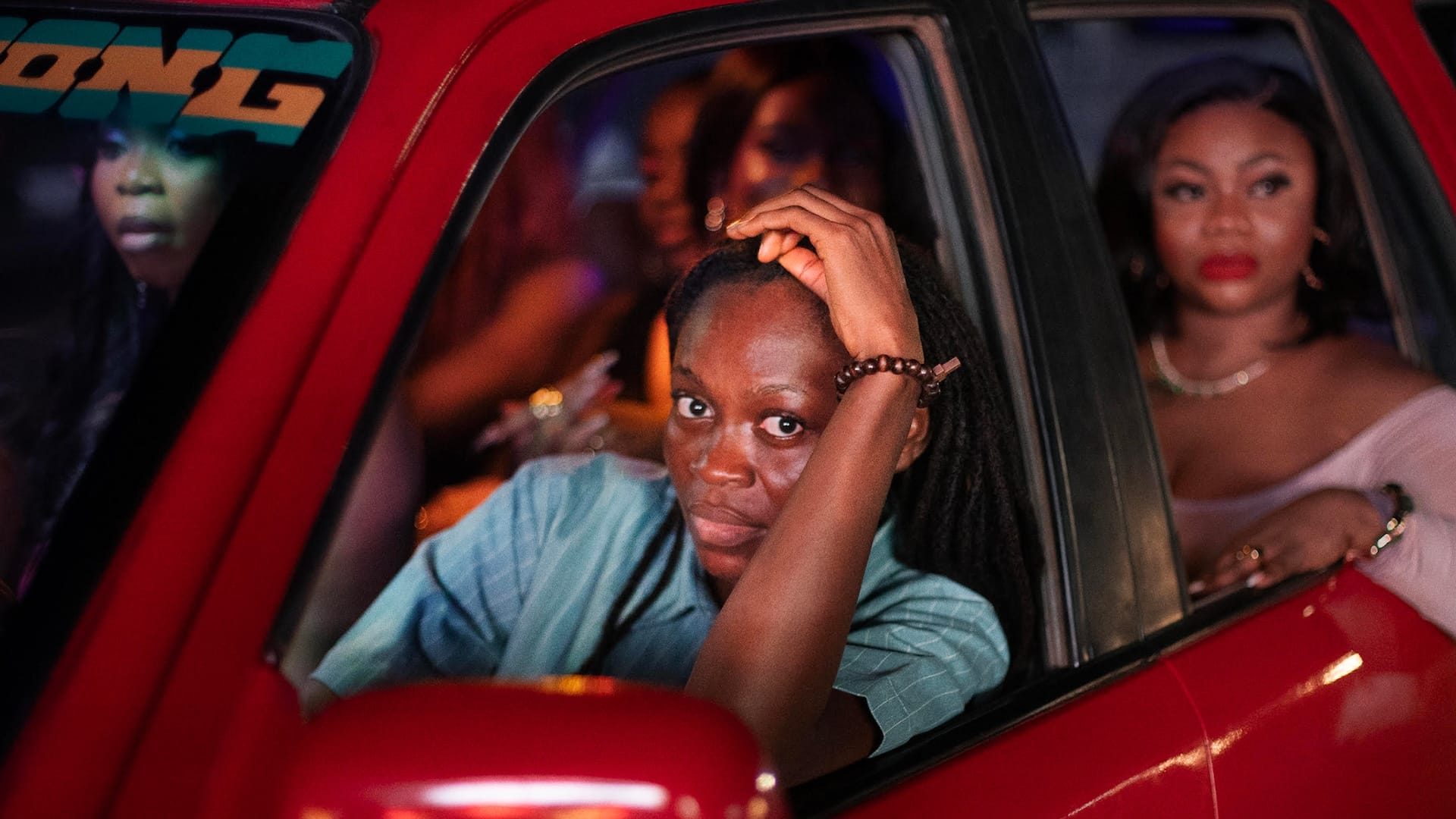
While we would like to believe we’re fully the masters of our fate and the captains of our souls, our choices tend to flow downstream of larger societal and historical issues. Olive Nwosu’s LADY beautifully connects the personal with the political through the eyes of its eponymous cab driver (Jessica Gabriel’s Ujah in a masterful debut performance). Set in Lagos, Nigeria, Lady works as a cab driver, scraping by in a time of rising fuel costs, wondering if she’ll ever make enough money to restart her life by moving to Freetown. She gets an unexpected lifeline when her old friend Pinky (Amanda Oruh) shows up with an offer. Pinky and her fellow sex workers need transportation, and Pinky’s pimp will pay Lady to be the driver. Lady reluctantly agrees, but the arrangement forces the cabbie to confront her past and prejudices.
Nwosu makes a careful balance here, not seeking to morally impugn sex work, but also framing it as a traumatic path for Lady. The sex workers here are not broken cautionary tales but are using what they can to make a living in an economically destitute country. It’s not an indictment of the individuals, but of the country and its colonial history, which makes sex work a necessary profession. Lady knows she’s at the precipice of such an arrangement. She has her cab, but that’s already in a male-dominated profession, and with rising fuel costs, who knows how much longer transportation will be financially viable? Getting closer to the corruption of the country may be the only way to escape it.
LADY offers no easy answers, but it does understand that change has to come through political movement. Whether she likes it or not, Lady is a political actor, as we all are since we participate in the economy and are subject to its larger ramifications. The film poses the question of how liberation is possible under the history of so much subjugation, but it never loses sight of the personal stakes for its main character. That makes it a riveting glimpse of life in Lagos, and one of the best ways that cinema can bring us to places we’ve never been, while also connecting us with common dreams of a better life.