Forget IMAX. 'The Odyssey' is Best Enjoyed in 4DX
How does Nolan’s latest epic work in the rollercoaster film format?


At a distance, Christopher Nolan’s epic lament for our world doesn’t seem like it would gel with a theatrical format ripped from a theme park. Where much of the talk around The Odyssey has concerned screen sizes and celluloid perforations, 4DX — which stands for Four-Dimensional eXperience — probably hasn’t entered most people’s purview, at least not intentionally. In recent weeks, social media has been flooded with covert videos of crowds being shaken in their seats, and with complaints from grumpy, unsuspecting filmgoers (like Entourage producer Doug Ellin, who wasn’t aware of the format prior, but called it “torture” upon leaving). Morbid curiosity got the better of me, and the Regal cinema in Times Square — the world’s circus — turned out to be the ideal venue for this mayhem. Granted, it takes a little getting used to even before the lights go down, but the experience also turned up some pleasant surprises.
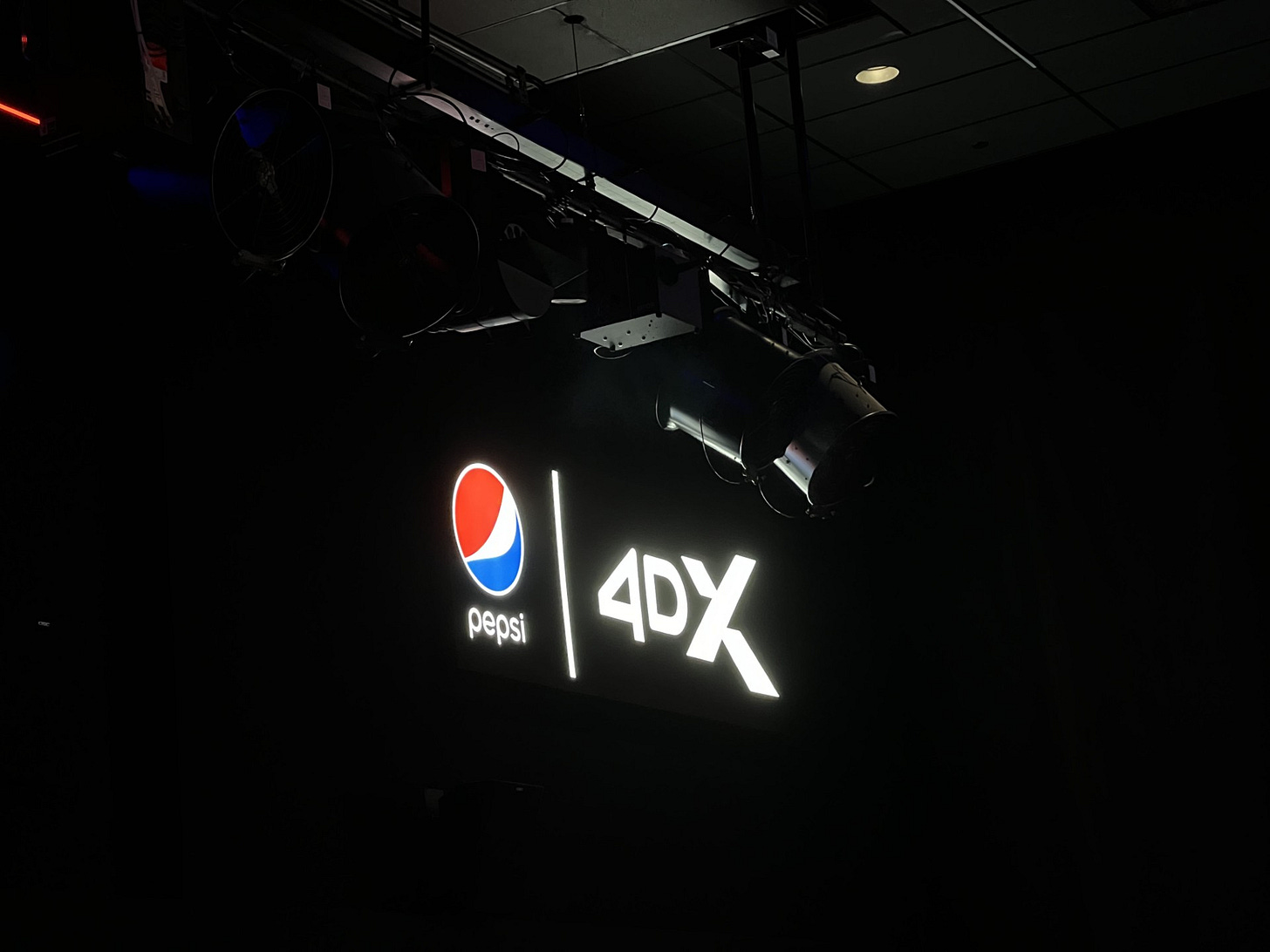
If you’re open to the added bells and whistles — motion, wind, water sprays, and the occasional THWACK in the spine — The Odyssey in 4DX turns is overwhelming, in every sense of the word. In fact, apart from storm chaser sequel Twisters — my only prior eXperience — it may just be the ideal movie to watch in this seemingly counterintuitive way, especially with Nolan’s preferred 70mm IMAX format being sold out for months on end.
This particular screening was jam-packed too, even on a Tuesday evening, and it seemed filled with a healthy mix of unsuspecting innocents and daredevil aficionados. I happened to be seated between a friend who watches nearly every movie this way, and a stranger who had scientifically chosen her specific seat, keeping in mind both her viewing angle, and her proximity from various devices suspended from above.
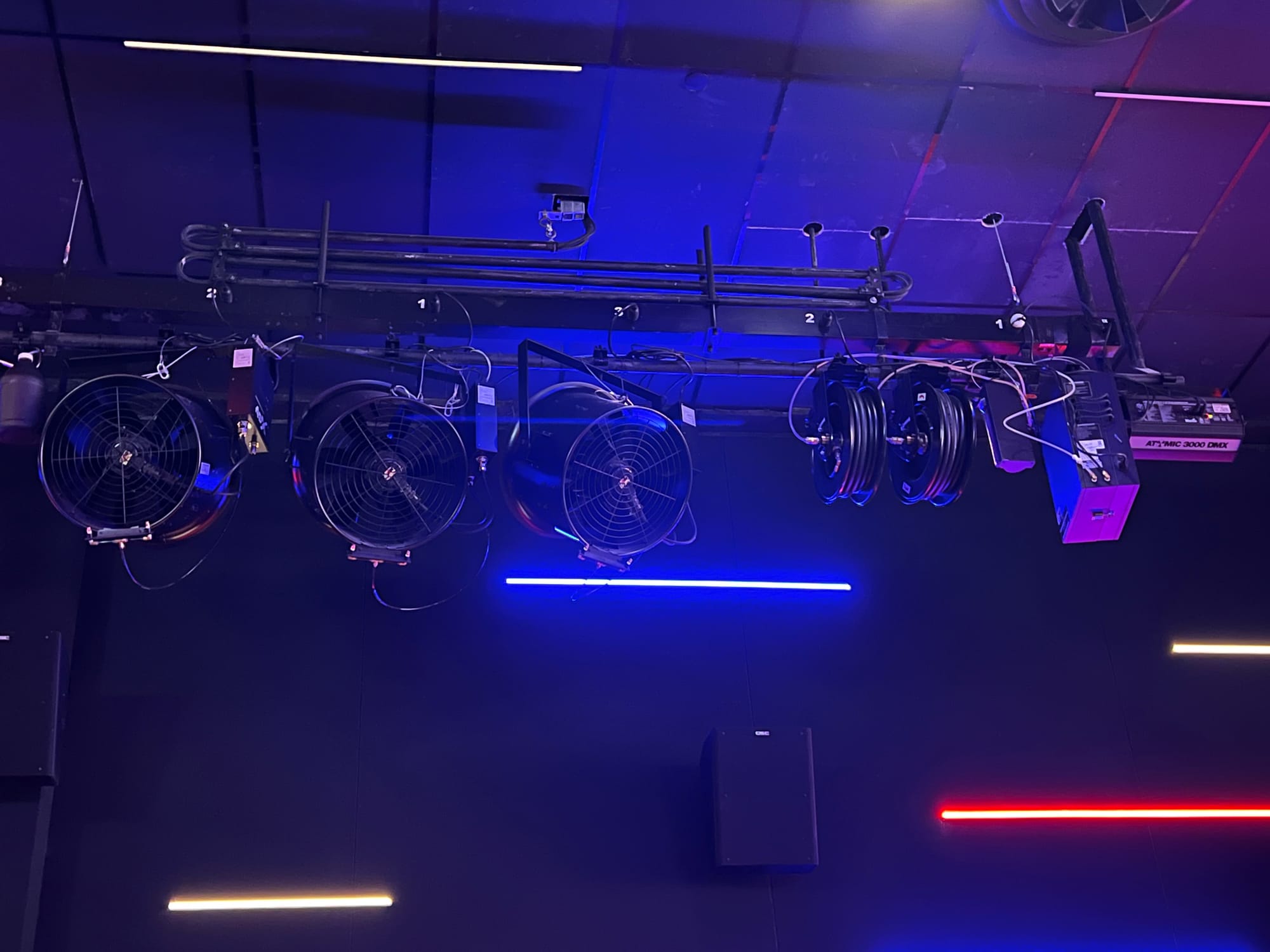
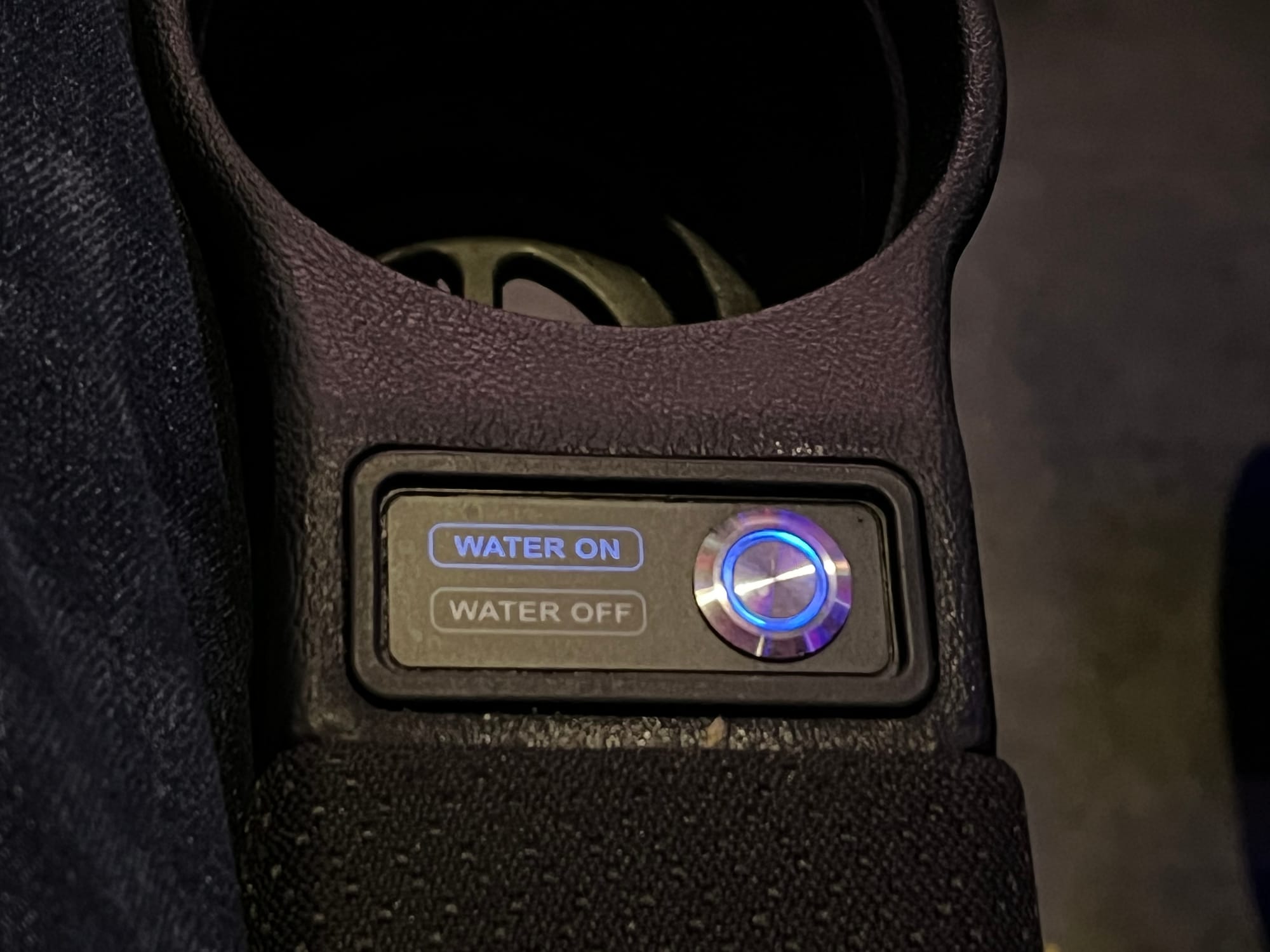
Entering a 4DX theatre can feel like waking up in an elaborate Saw trap, where your mind races to figure out what all the contraptions and wall hangings will eventually be used for. There are blade fans and other such instruments strewn across the ceiling, and a panel with what turns out to be mist sprays in front of every row (though these can be turned on and off with a handy in-seat button). The previews are calibrated for seat motion too, likely with the intent of ingratiating novice viewers, though this doesn’t really help for a film like The Odyssey, with its gradual build to utter chaos.
However, powering through your discomfort gets you accustomed to it in about fifteen or twenty minutes. It may not be the ideal venue to watch the movie for the first time, but for a second or third? It couldn’t be more magical. The film is, after all, set in “a time of apparent magic,” according to its opening text, which takes the form of not only giants and witches, but the gods of Olympus embodied by harrowing natural forces.
In The Odyssey, deities speak to humans through lashing winds and tidal waves, allowing the 4DX gimmick to take on a kind of spiritual significance, as you’re forced to feel it in your bones. Zeus’s lightning doesn’t just emanate from the screen. Thanks to strobe lights strewn about the theatre, it appears all around you.
There are a number of subtleties too, some of which might even enhance your understanding of the movie. Anytime a camera is affixed to a boat, your seat bobs up and down as if riding the ocean waves — which, it turns out, are also occasionally synchronized with Ludwig Göransson’s stripped-bare score. Talk about feeling the music. Danger becomes tactile too; body blows trigger in-seat thumps like a massage chair gone rogue, and anytime an arrow is fired from a bow, a sharp jet of air fires past your ear. The film’s few meticulous landscape shots lead to your seat slowly tilting forward as the helicopter pushes in, creating anticipation like a rollercoaster drop. By the time the movie’s storm scenes arrive, you might even find yourself eagerly waiting to see what the 4DX programmers have in store. Thankfully, the arm rests are wide enough to grip for dear life.
If all this sounds distracting: it definitely would be during any other movie. However, The Odyssey is so tightly constructed that its emotional effects manage to cut through these technological frills. If anything, the vastness of its scale is matched by the format’s oppressive audacity, enhancing Nolan’s intensity while scaling back just enough, during the rare moments of subtlety, to ensure a perfect balance. The film remains just as impactful as on any other screen (with the added bonus of a shower), and for anyone who considers themselves a thrill ride aficionado, it’ll also scratch that particular, delicious itch. Either way, it’ll leave you feeling like you’ve been through the wringer, or on an Odyssey of your own.
Siddhant Adlakha is a film critic for various publications including Variety, The New York Times, The Guardian, TIME and New York Magazine, and is a member of the New York Film Critics Circle.