‘The Social Reckoning’ Confronts the Chaos of the 2020s in Chilling Fashion
Though no match for David Fincher’s original, even mid-tier Aaron Sorkin is still watchable

Aaron Sorkin loves a Trojan Horse. His politically charged, rat-a-tat scripts are seldom truly about the topic his characters spend most of the runtime debating. Instead, all that pontificating is in service of a different emotional core that only reveals itself in the third act. Steve Jobs uses the rise of Apple to track a father/daughter story. Being the Ricardos uses the Red Scare to explore a crumbling marriage. And, perhaps most famously, The Social Network uses the invention of Facebook to unpack the social insecurities of Ivy League-educated men, like an impeccably shot Mean Girls for Harvard bros.
Returning to that subject matter for a pseudo sequel in which he takes over directorial duties from David Fincher, Sorkin both does and doesn’t continue that pattern with The Social Reckoning. Like The Social Network, it tracks the minutiae of Facebook’s development in service of a different theme. But unlike The Social Network, that theme is less personal and more, well, social. More than anything, The Social Reckoning is about how much it feels like time has collapsed since the COVID-19 pandemic kicked off a decade of denial, disassociation, and seemingly endless disasters. Sorkin quite literally puts a timeline on screen to force us to reckon with where we were as a country in 2019, where we are now, and what the hell happened to get us here. And while his ultimate conclusions about toxic algorithms and corporate greed won’t shock anyone who’s been even remotely paying attention for the past decade, there’s still something impactful about seeing recent history laid out in such a clear-eyed way now that we’re improbably barreling towards the last three years of the 2020s.
Paradoxically, the best thing to happen to the film is the fact that original Social Network star Jesse Eisenberg declined to return as Facebook creator Mark Zuckerberg. That allows it to feel less like a direct sequel and more like its own standalone project, which is helpful given that it’s in every way a weaker film. Where that Fincher original is one of the masterpieces of the 2010s, The Social Reckoning is more like a dad movie for dads who don’t quite understand how algorithms work. Tonally and aesthetically, it’s closer to the kind of ripped-from-the-headlines tech and journalism dramas that sprung up in the wake of The Social Network—movies like Dumb Money, BlackBerry, Snowden, and The Fifth Estate. But without the Eisenberg connection, it’s easy enough to appreciate it in that sphere, rather than constantly comparing it to the original.
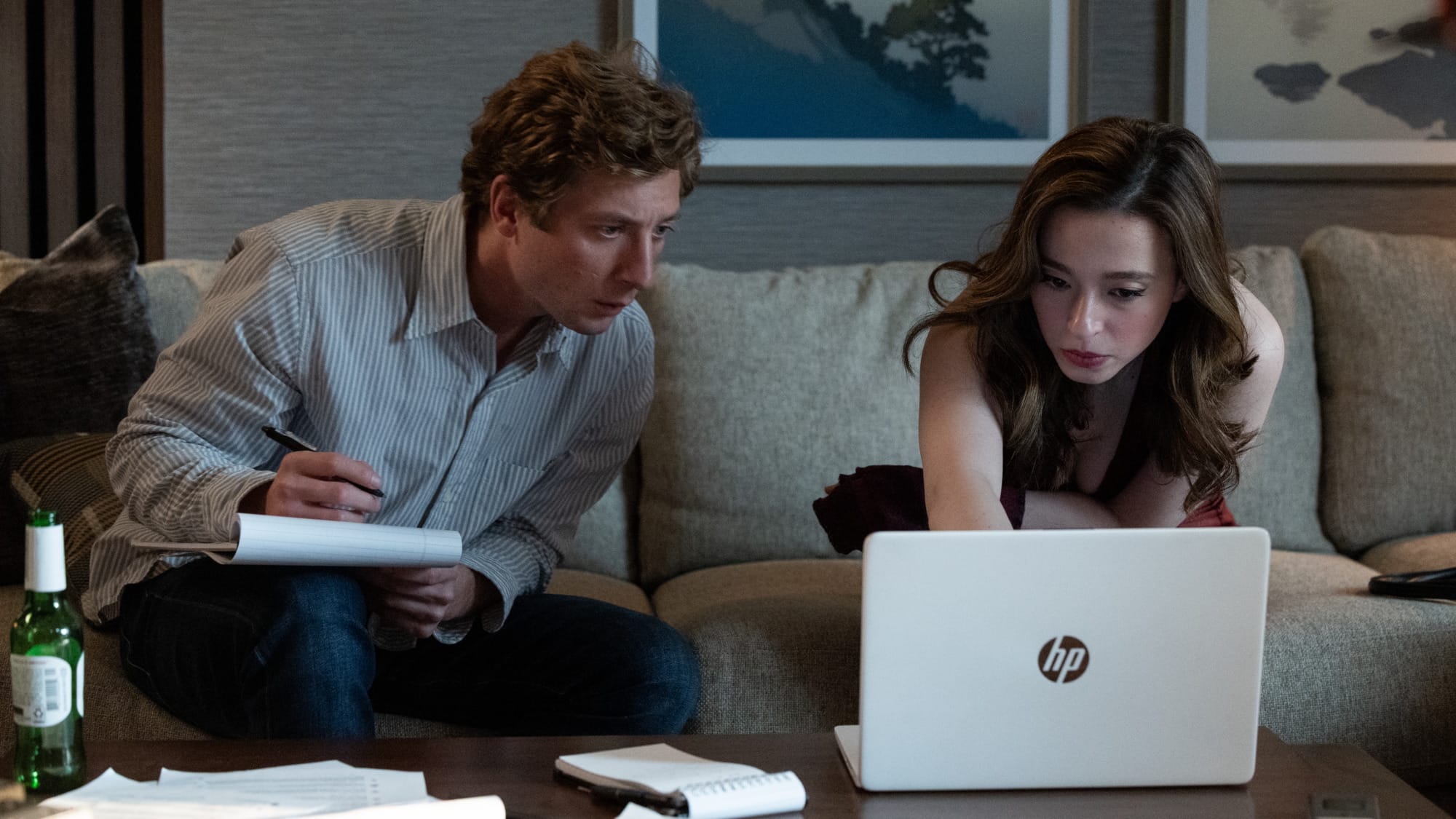
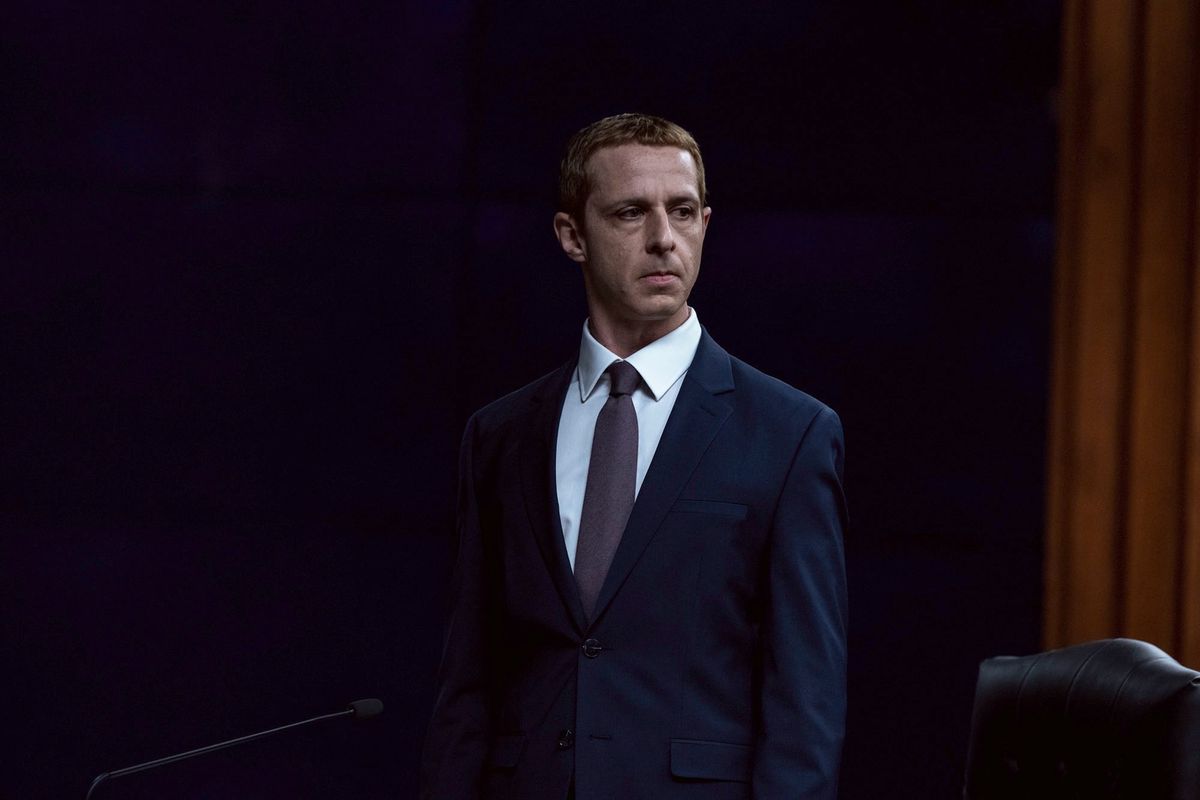
In fact, the main player here isn’t even Zuckerberg himself, though Jeremy Strong is fantastic at channeling the robotic megalomania of a man more wired into corporate self-interest than social innovation. Instead, the story centers on Wall Street Journal reporter Jeff Horwitz (Jeremy Allen White) and Facebook data engineer Frances Haugen (Mikey Madison), who reluctantly responds when he reaches out for a story about politics and censorship on the platform. Though she believes in Facebook’s mission, she’s noticed some troubling patterns since the company adopted a new algorithm meant to increase user engagement in 2018. After her higher-ups refuse to listen to her concerns internally, she hopes an external push will get the company back on track.
The bulk of The Social Reckoning is an investigative journalism procedural in the vein of All the President’s Men, Spotlight, or the underrated Adam Driver vehicle The Report. Sorkin zeros in on how the real-life Horwitz and Haugen met in secret and slowly built a sense of trust that inspired Haugen to take bigger risks breaking her NDA. It’s a welcome showcase for Madison, who all but disappeared after winning the Oscar two years ago. She renders Frances as someone introverted and socially awkward but also self-possessed and smart enough to think three steps ahead at all times. Per Sorkin’s modus operandi, there’s a streak of paternalism to how he celebrates Frances’ heroism (not to mention a slightly jarring string of sexualization), though the film largely stays on the right side of honoring the accomplishments of a real-life whistleblower.
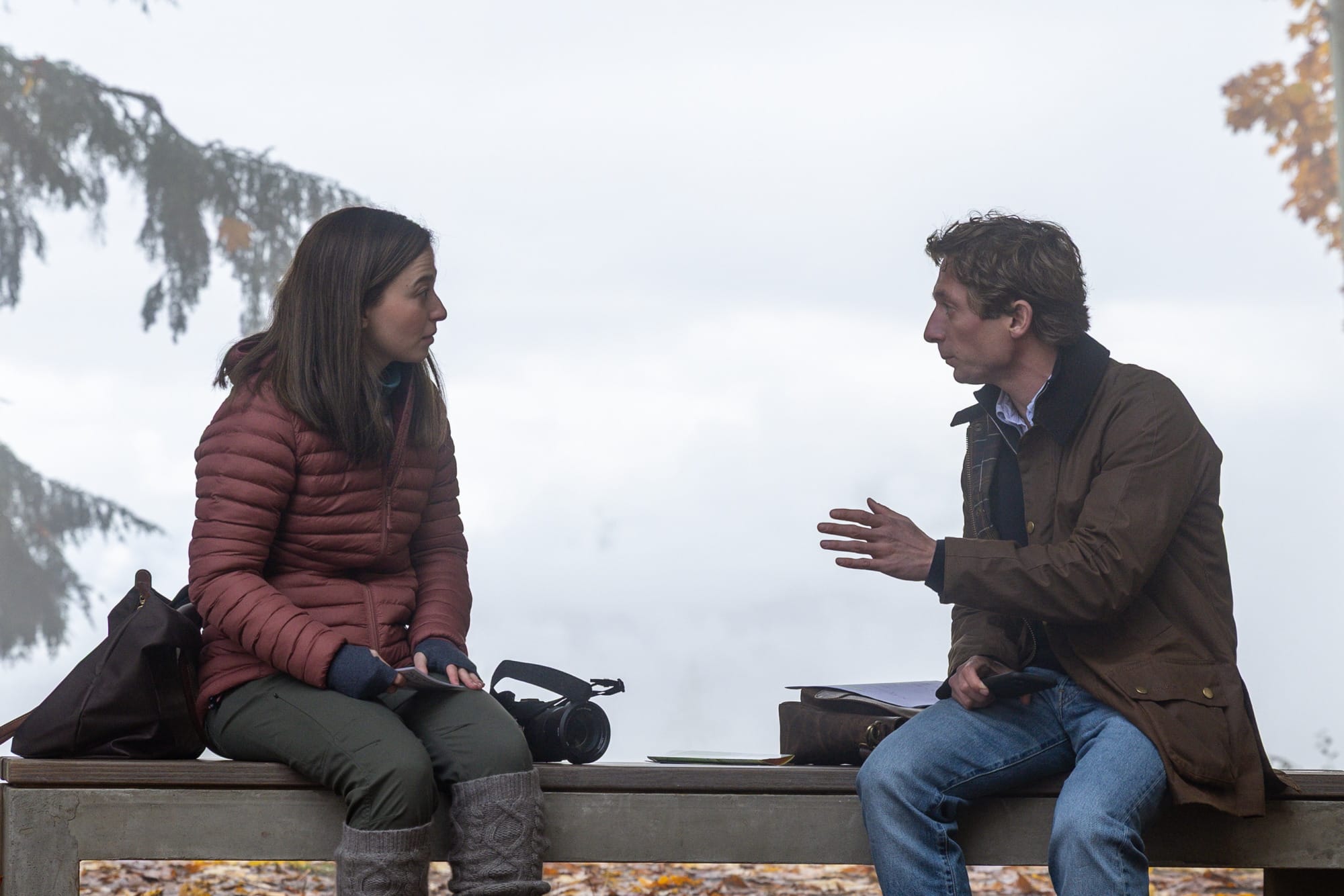
Strong, meanwhile, is sequestered into a small but compelling runner where Zuckerberg spars with members of his team played by a game Bill Burr and Wunmi Mosaku. Unfortunately, that leaves White as the weak link of the central trio. The role of Jeff is begging for the kind of warmth and charisma of a West Wing-era Bradley Whitford to stand in contrast to the more paranoid, cerebral tech players around him. But White’s fundamental sad boy energy gives him a detached aloofness that doesn’t make the screwball banter of Sorkin’s script pop the way it should. Though the growing friendship between Jeff and Frances is positioned as the heart of the movie, their relationship never springs to life. This is one of the least felt projects Sorkin has ever delivered and most of that comes down to White’s miscasting.
Indeed, in pretty much every way this is mid-tier Sorkin—always watchable, sometimes thought-provoking, but never particularly essential. Like most of Sorkin’s work, it’s fueled by a corny belief that old school institutions can save us if we let them. (In other words, welcome back The Newsroom.) Still, even more cynical, tech-savvy viewers may leave with something to chew on. Where The Social Network was ultimately interested in something smaller than Facebook as a billion-dollar company, The Social Reckoning is interested in something bigger than just the toxic algorithms of one tech conglomerate. It’s a clarion call to remember we’re not just passively existing in a perpetually exhausting present, we’re living through history. Perhaps putting cause and effect in context is the only way to reshape it.
The Social Reckoning opens in theaters on October 9. Caroline Siede is a film and TV critic who runs the newsletter Girl Culture.
David Chen's Quick Take
I had a chance to check out The Social Reckoning as well, and while I appreciated what the film was trying to do, I overall found it to be dramatically inert and overly didactic. My thoughts above. -David Chen